
The 1950s were a time when many women wore heels and dresses every day, when even the smallest elements were coordinated, and when there were clear dos and don’ts of ladies fashion that were thought impolite to ignore. By the late 1960s, many of these principles had been abandoned in favor of youth-oriented styles. There were no sweatshirts or athleisure clothing back then, so even the most casual ensemble would appear coordinated by today’s standards. Here are several 1950s fashion standards that most people no longer appear to follow.
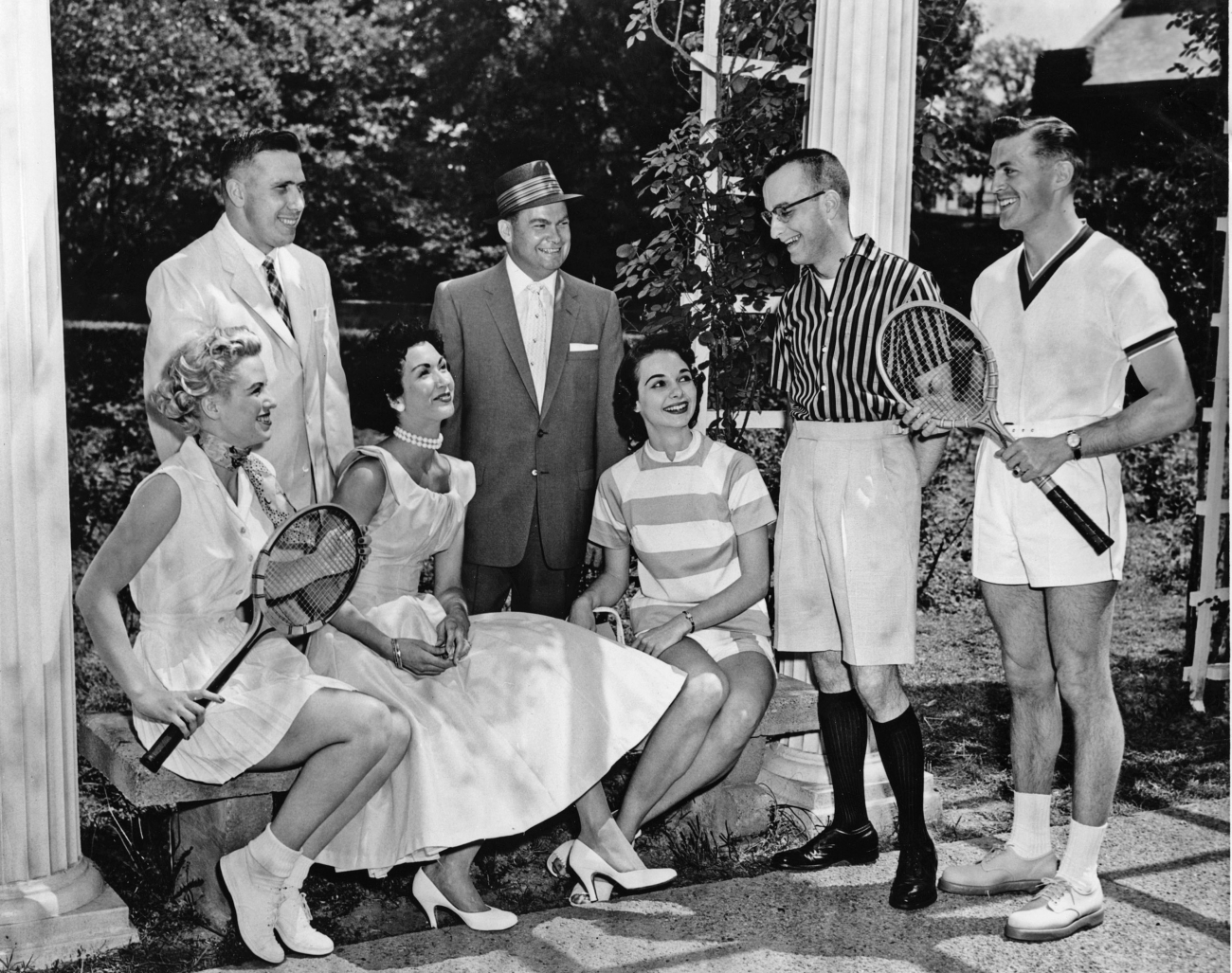
During the Gilded Age, the wealthy of New York would escape the heat and dirt of the city in the summer to their “cottages” by the sea or in the mountains. Many East Coast cities had residents that left when they could. The relief from congested streets made space for summer breezes and fresh air. To keep them cool, women wore white lace dresses while men wore light-colored linen suits.
When “the season” ended around Labor Day, they had to say goodbye to their summer whites, which were stained almost immediately in the dusty metropolis strewn with horse droppings and other unattractive garbage. It became a saying to “never wear white after Labor Day” despite the fact that washing machines, vehicles, and lower hemlines have rendered this “rule” outdated. Not to mention that most people don’t even have a summer home to retreat to! However, even in the 1950s, this counsel was followed.
Jewelry should be worn in sets. In the 1950s, the matching jewelry mania reached its peak. Costume jewelry first gained popularity in the 1920s, and by the 1950s, it was a staple of every woman’s wardrobe. Matching earrings, necklaces, bracelets, and brooches were desirable, but they were not usually worn together.
Pants were only for informal occasions. Pants were not always worn for every occasion. Women wore pants throughout the summer for vacations, working on farms, and camping. Many people found it disrespectful to go to school, business, or a formal occasion while wearing pants. School dress standards prohibited girls from wearing pants or jeans, and this policy remained in certain locations long into the 1970s.
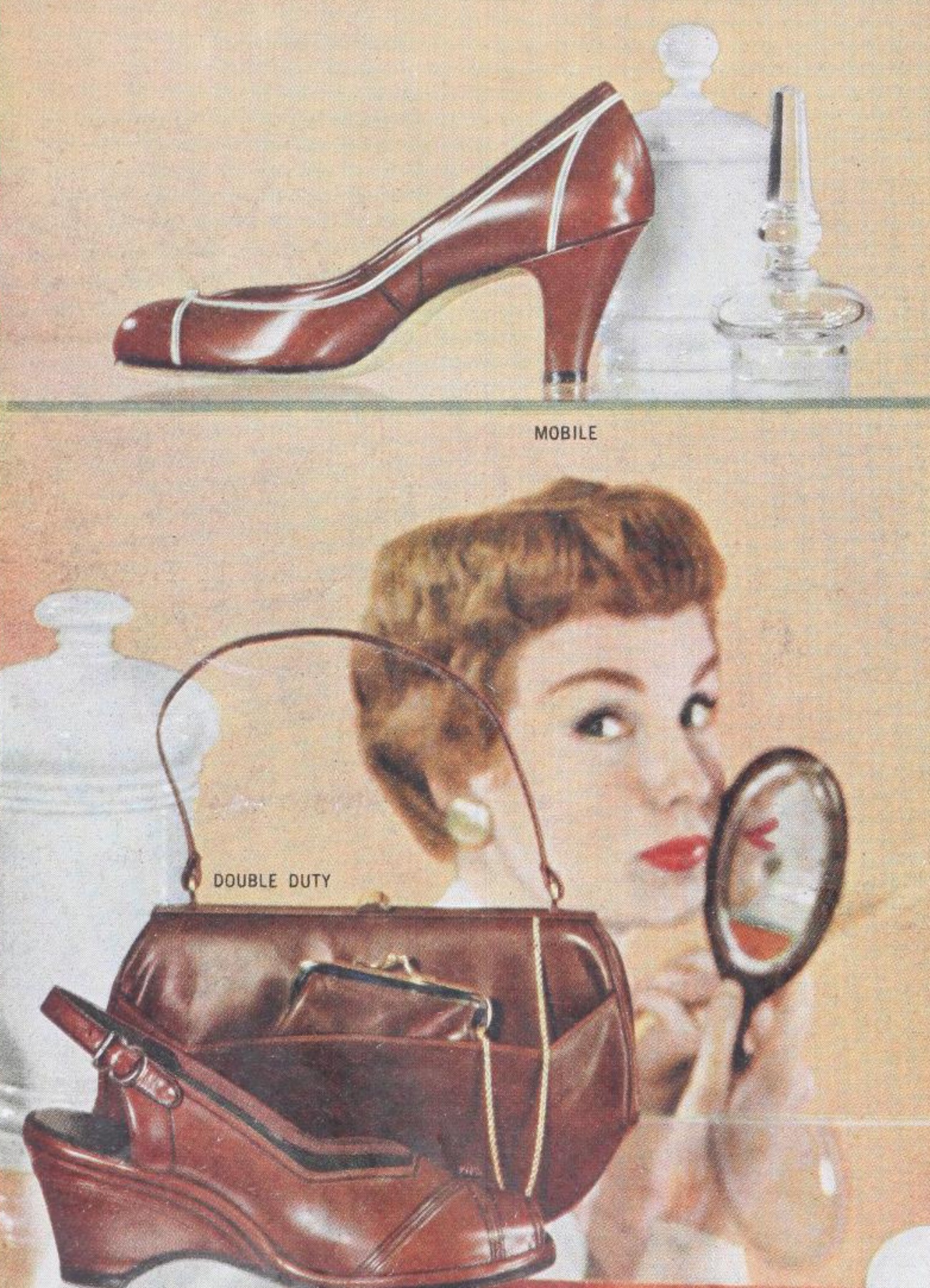
Shoes should match the purse. Some argue that, in response to the deprivation of the 1930s and 1940s, women reacted to fashion by wanting everything to match. The purse and shoes should be the same color, and the gloves and other accessories should at least match. This did not always imply that everything was the same hue, but matched sets were not unusual. This was also the era of the twinset, which consisted of a short-sleeved or sleeveless sweater and a matching cardigan to keep the wearer looking put together.
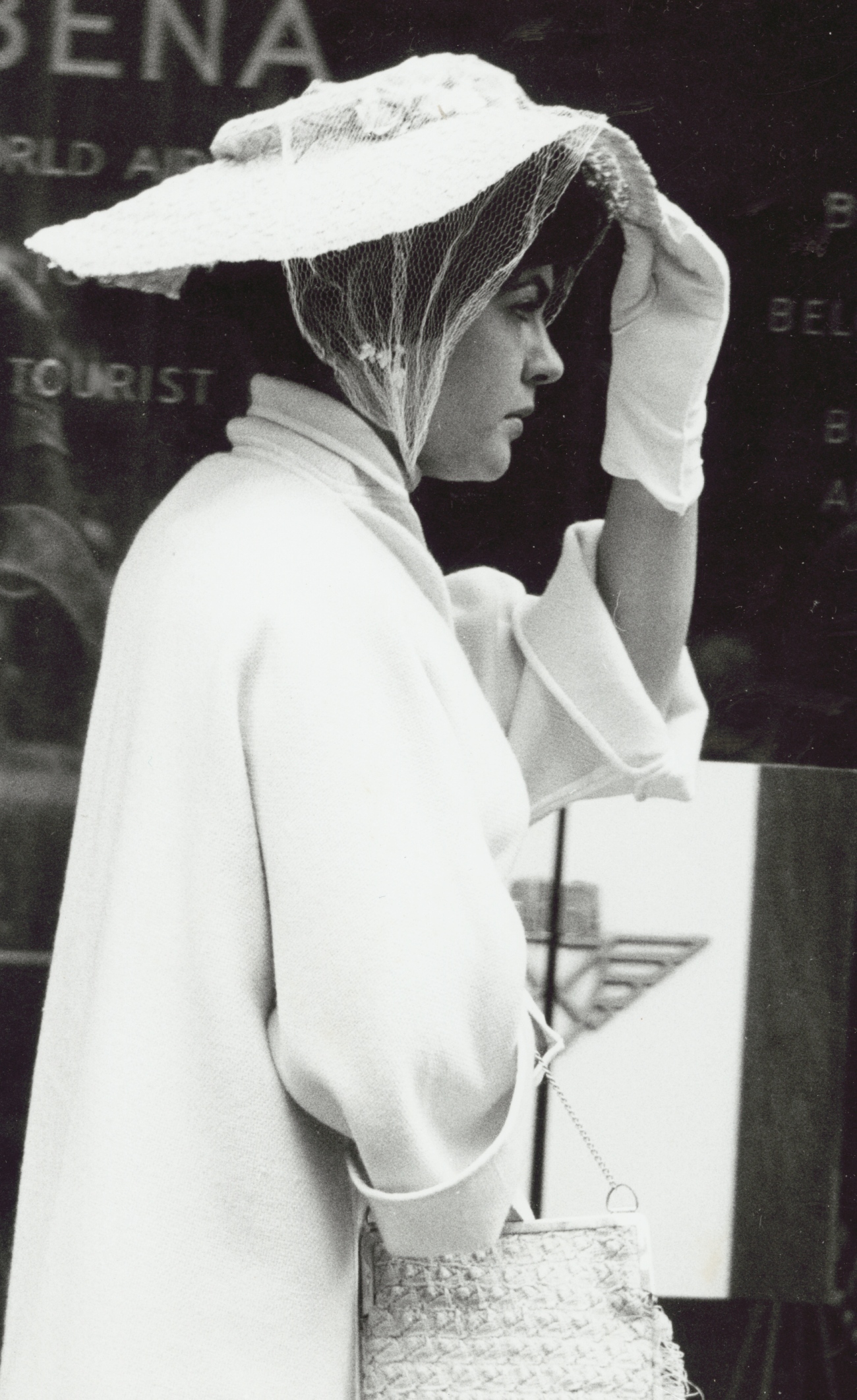
Coordinate your gloves and hat. During the 1950s, many women were expected to wear gloves and a matching hat, however some followed the regulation more strictly than others. By the end of the decade, youthful fashions such as ponytails had influenced hat wear. Hats and gloves became much less popular about this time. However, back then, many elderly women, in particular, would wear a hat whenever they left the house.

Lipstick and Nails should match. When lipstick and nail paint were initially made available to the general public, ladies who wore them were mocked. However, by the 1950s, it was considered elegant, and the most sophisticated way to wear them was to coordinate one’s lip and nail colors. Because the most popular colors for both goods were pink and red, this was not difficult to do. In fact, many ladies would have only had a few hues of each. This is in sharp contrast to today’s unlimited color options for manicure and lip color–and most women today don’t even care if they match.