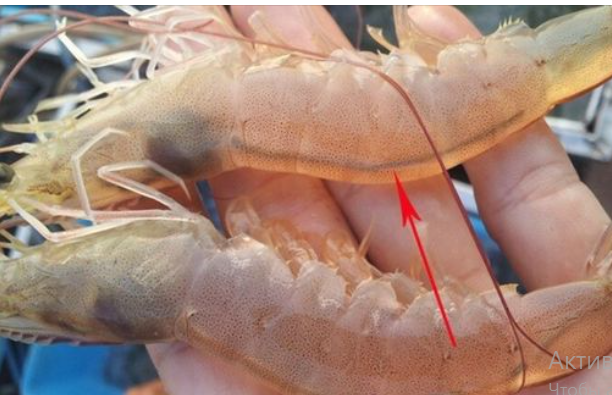
1. Look at the heads and tails of prawns. When purchasing prawns, keep an eye out for those with black heads and tails. The enzyme reaction is what causes prawns to turn black. This commonly occurs when prawns are subjected to high temperatures, a lack of oxygen, or other factors. As a result, if the prawns’ heads and tails turn black, it indicates that the prawn has been left for an extended period of time and is showing indications of deterioration; avoid it.
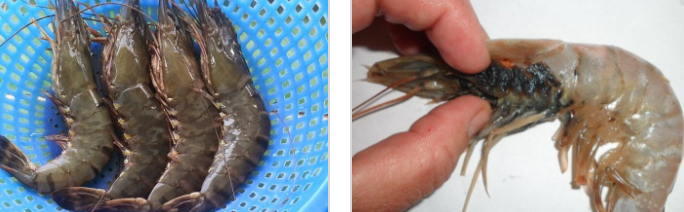
2. Avoid firm prawns that do not curl. If the prawns are firm and straight, it indicates that they have been injected with contaminants. Normal prawns are soft and curled. Injected prawns frequently feel hard and bloated. When cooked, chemically injected prawns frequently lose a lot of water, and the meat shrinks dramatically compared to prior processing.
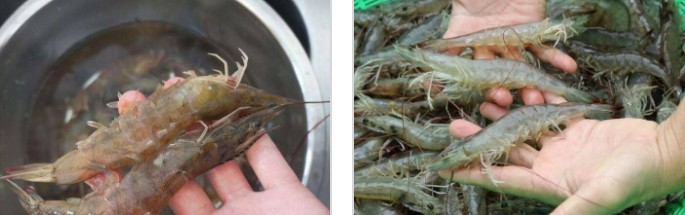
3. Skin. Examine the skin of the prawns. Skin that remains tightly attached signals freshness, however skin that has begun to peel or detach may suggest that the prawns have been gathered for an extended period. Other tips: 4. Choose between fresh and frozen options. If possible, select fresh prawns over frozen. Fresh shrimps are more flavorful than frozen shrimps.
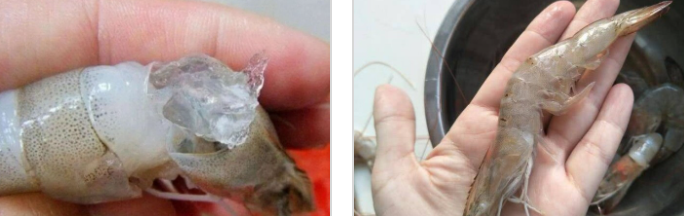
5. Odor Fresh prawns should not smell fishy or nasty. A strong stench can indicate that the prawns are no longer fresh. 6) Color. Choose prawns with vivid, distinct colors. Avoid prawns with a brownish or drab color, as this could indicate that they are no longer fresh. 7. Red or black patches. Avoid prawns with red or black patches on the body. This could imply that the prawns are infected or damaged.