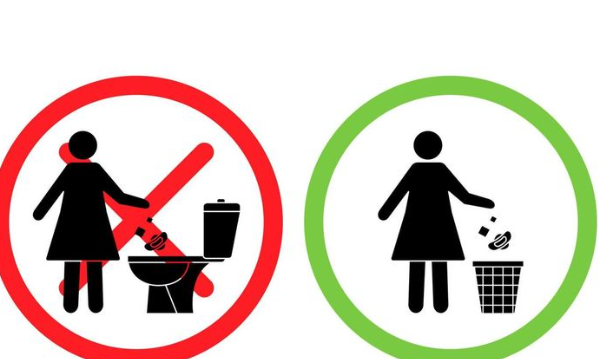
Toilet paper: a seemingly simple item that plays a crucial role in our daily hygiene routines. However, when it comes to disposing of it, opinions vary widely. Should it go in the toilet or the trash? The answer to this question has implications for plumbing systems, environmental sustainability, and even personal health. Let’s dive into the truth that everyone needs to know about toilet paper disposal.
The Case for Flushing. In many parts of the world, flushing toilet paper is the norm. This practice is rooted in convenience and the design of most modern plumbing systems, which are built to handle the breakdown of biodegradable materials like toilet paper. When flushed, toilet paper typically disintegrates in water, preventing clogging in properly functioning sewage systems.
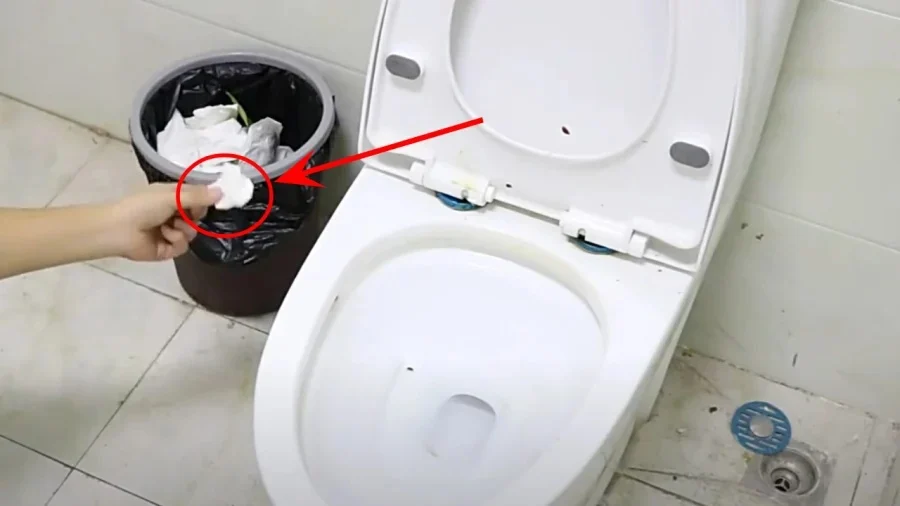
However, this ease comes with caveats. Not all toilet paper is created equal. Some brands use thicker materials or additives that do not dissolve as readily, increasing the risk of blockages, especially in older plumbing systems or in regions with more sensitive sewer systems. Additionally, flushing anything other than human waste and toilet paper can lead to significant plumbing issues.
On the other hand, throwing toilet paper in the trash is gaining traction as an environmentally conscious alternative. In many countries, especially where plumbing systems are less reliable, it’s common practice to dispose of used toilet paper in a bin. This method can help reduce the strain on sewage treatment facilities and minimize the risk of blockages in plumbing systems.
Moreover, disposing of toilet paper in the trash can also align with broader sustainability practices. In areas where water conservation is critical, reducing what goes through the sewage system can be beneficial. Additionally, compostable alternatives to traditional toilet paper are becoming available, providing a more eco-friendly option that can be thrown in the trash without harming the environment.
When considering whether to flush or toss toilet paper, it’s essential to think about the environmental impact. The production of toilet paper consumes vast amounts of water and trees. The average American uses around 57 sheets of toilet paper daily, which can lead to significant deforestation and water waste over time. By reducing the amount of toilet paper we use or switching to more sustainable brands, we can lessen our ecological footprint. Additionally, composting toilet paper made from recycled materials can be an effective way to mitigate waste.
Health and Hygiene. Health concerns also play a role in the toilet paper disposal debate. Flushing used toilet paper can potentially introduce bacteria into the plumbing system. While most sewage systems are designed to handle this, improper disposal practices can lead to contamination, particularly in areas where plumbing infrastructure is inadequate.
Conversely, disposing of toilet paper in the trash requires careful management of hygiene. It’s crucial to ensure that trash bins are sealed and regularly emptied to prevent odors and the attraction of pests. Using biodegradable trash bags can also enhance the sustainability of this approach.

The Bottom Line. So, should you flush or toss your toilet paper? The answer largely depends on your specific circumstances, including your plumbing system, local waste management practices, and environmental considerations. If you live in an area with reliable plumbing and use conventional toilet paper, flushing is generally acceptable. However, if you’re in a location where plumbing issues are common or you’re looking for eco-friendly options, consider tossing your used toilet paper in the trash.
Ultimately, being mindful of how we dispose of toilet paper can lead to better plumbing health, reduced environmental impact, and improved personal hygiene. As our understanding of sustainability evolves, so too should our practices. Make an informed choice that suits your situation, and you’ll be contributing to a cleaner, more sustainable world.