
Ethics at the dinner table encompass much more than just good manners. They are rooted in respect for others, consideration of shared values, and mindfulness of the social experience that dining represents. Whether at home or in a formal setting, observing ethical practices during meals creates a welcoming, inclusive environment for everyone.
Respecting Dietary Restrictions and Preferences.. One key aspect of ethical dining is being aware of and respecting others’ dietary restrictions, allergies, or personal preferences. Whether someone follows a vegetarian, vegan, or gluten-free diet or abstains from certain foods due to cultural or religious reasons, it’s important to honor their choices. Asking beforehand and accommodating others’ needs shows respect and fosters a more inclusive dining experience.

Engaging in Positive and Respectful Conversation. Ethics at the dinner table also involve maintaining a respectful and pleasant atmosphere during conversation. Avoiding heated discussions, controversial topics, or speaking over others allows everyone to feel included and heard. Active listening and showing interest in what others have to say is part of creating a positive dining experience.
Appreciating the Effort Behind the Meal. Whether dining at a restaurant or enjoying a home-cooked meal, showing gratitude for the food and the effort that went into preparing it is an essential part of ethical dining. Complimenting the host or the chef, offering to help with cleanup, and being mindful of not wasting food demonstrate respect and appreciation.
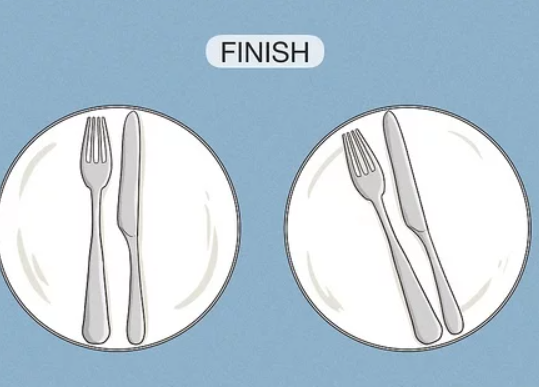
Avoiding Food Waste. Minimizing food waste is another important ethical consideration. Serving yourself an appropriate portion and storing leftovers for later ensures that food is not unnecessarily wasted. This approach reflects an awareness of the resources and effort involved in food production and preparation.
Cultural Sensitivity. Finally, being mindful of cultural dining traditions and practices can further enhance the dining experience. Different cultures have various customs surrounding meals, such as how food is served, eaten, and shared. Understanding and embracing these customs can help avoid unintentional offense and promote mutual respect.
Ethics at the dinner table are about more than just manners—they reflect a deeper consideration for others and the environment around us. By practicing respectful and thoughtful dining habits, we can create a positive, inclusive experience for all.