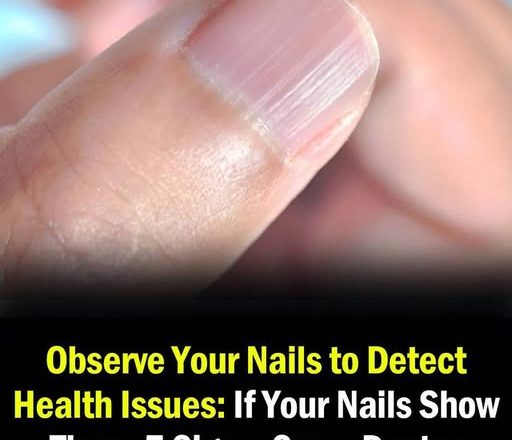
Your nails can reveal a lot about your health. Conditions like Beau’s lines, clubbing, and spoon-shaped nails are just a few examples of how underlying issues can affect your nails’ appearance.
Beau’s Lines. Beau’s lines are deep ridges that run across your nails. These lines appear when nail growth is temporarily interrupted, often due to a severe illness, infection, or physical trauma. For instance, many people noticed Beau’s lines after recovering from COVID-19. Physical injuries, such as slamming a finger in a door, or severe illnesses like pneumonia or uncontrolled diabetes, can also cause them. The position of the lines on your nail can even help determine when the disruption occurred.

Clubbing. Clubbing is when the fingertips swell, and the nails curve downward. It’s often a symptom of serious health issues like heart or lung disease. For example, people with lung cancer or congenital heart defects frequently develop clubbed nails. While clubbing itself is not a disease, it indicates the need for further medical evaluation.
Spoon Nails (Koilonychia). Spoon-shaped nails curve inward, resembling a spoon, and are typically linked to iron deficiency anemia. This condition can be caused by poor nutrition, pregnancy, or digestive issues. Other symptoms include fatigue, pale skin, and shortness of breath. Fortunately, iron supplements and dietary changes can usually restore healthy nail growth.

Melanoma Under the Nails. Nail melanoma is rare but serious. It appears as a dark streak under the nail, often on the thumb or big toe. This form of cancer can be difficult to diagnose early, so it’s important to consult a dermatologist if you notice any abnormal streaks or dark spots on your nails.
Other Nail Conditions. Terry’s Nails: White nails with a narrow red band at the tip, often linked to liver disease, diabetes, or aging.
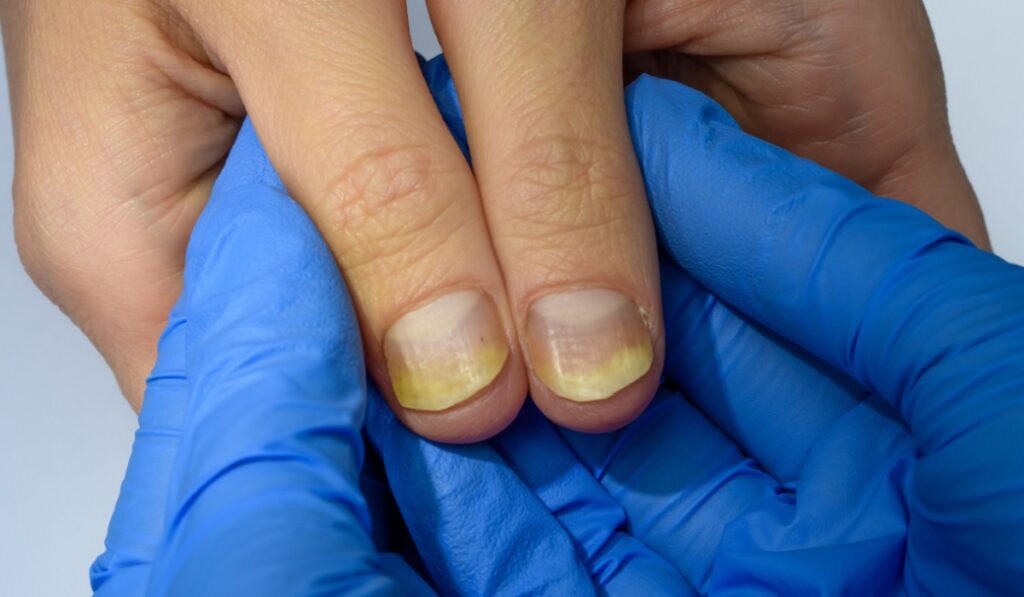
Yellow Nails: Usually caused by fungal infections, though they can also indicate respiratory conditions or diabetes. Treatments like tea tree oil, baking soda, or hydrogen peroxide can help, but persistent issues should be checked by a doctor.
Your nails are more than just cosmetic; they can provide valuable insight into your overall health. If you notice persistent changes in your nails, consult with a healthcare professional to identify potential underlying causes.