
Water is a necessary component of life, accounting for approximately 60% of our body. It is essential for several body processes, such as nutrient transfer, temperature regulation, lubrication, and shock absorption. Given its importance, there has been a growing belief that drinking water first thing in the morning offers several health benefits. In this post, we will look at the misconceptions and truths surrounding this practice, including the importance of water, debunking hydration myths, and investigating the potential benefits of drinking water in the morning.
Water is an essential nutrient that our bodies require for healthy function. All organs and tissues in our bodies rely on water to perform important functions. Water is essential to our general health because it transports nutrients and oxygen to cells, regulates body temperature, and keeps joints lubricated. Without a proper water intake, our bodies can become dehydrated, resulting in a variety of negative health impacts. Thus, maintaining a good water balance is critical to keeping our bodies hydrated and functioning properly.
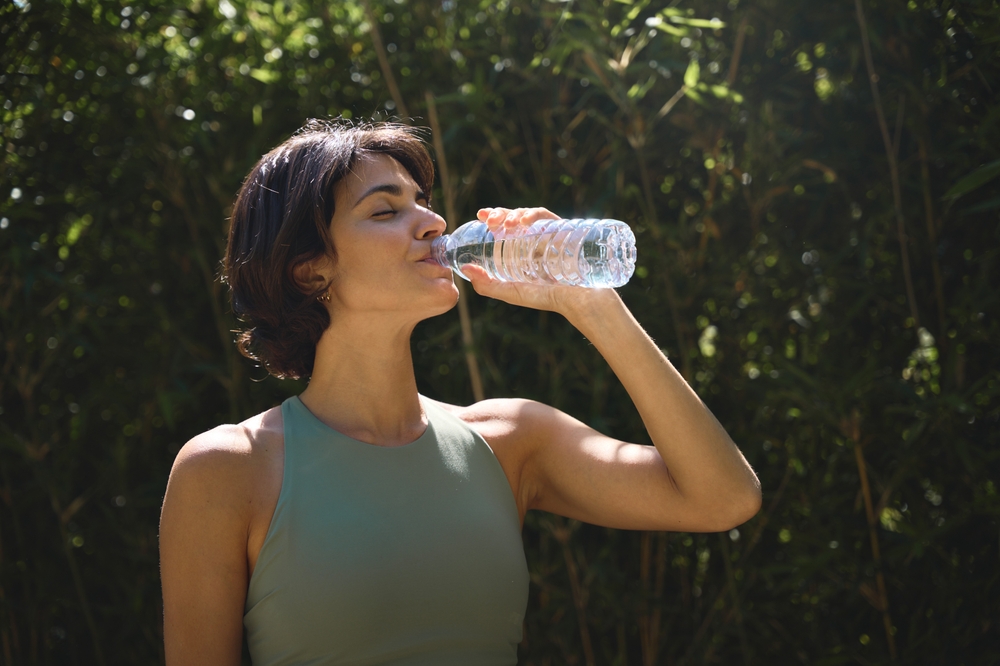
Is there a benefit to drinking water first thing in the morning? The assumption that drinking water as soon as you get up helps rehydrate your body may not be true. Urine color is commonly used as a measure of hydration levels, although research has revealed that it does not always correctly reflect one’s hydration status. While drinking water in the morning may have advantages, mostly because you are making a concerted effort to hydrate properly, the moment of water consumption may not be the determining factor in these effects.
Furthermore, statements that drinking water in the morning improves mental performance and skin health lack scientific support. While hydration does have an effect on your skin and brain, it is not dependent on the time of day. Hydration is essential throughout the day. It makes little difference if you start your day with a glass of water; what matters is that you drink water throughout the day. While excessive water consumption can boost feelings of fullness and potentially limit calorie intake, the impact may not be primarily due to drinking water before meals.
The relationship between water and weight loss is complex, involving thermogenesis and metabolic rate. While research has demonstrated that water-induced thermogenesis can increase metabolism, the timing of water consumption does not appear to have a substantial impact on its weight loss effects. Furthermore, some research indicate that drinking too close to a meal may impair digestion.
A healthy lifestyle and nutrition are vital for long-term weight management. There is no need to obsess over the timing of water intake. Several hydration myths exist, including the assumption that drinking water in the morning aids in the elimination of toxins, enhances skin health, or jump-starts metabolism. However, scientific data does not overwhelmingly support these beliefs. The kidneys are responsible for the majority of the body’s natural detoxifying functions, and while being hydrated is important for overall health, anecdotal assertions regarding water consumption may not necessarily be supported by scientific evidence. It is critical to tackle hydration with a balanced and evidence-based viewpoint.
What is Japanese Water Therapy? Japanese water therapy has gained popularity due to its possible health benefits, with advocates suggesting that drinking several glasses of room-temperature water every morning can help with everything from constipation and high blood pressure to type 2 diabetes and cancer. This method, which is said to be commonly used in Japanese medicine, includes drinking room-temperature or warm water on an empty stomach to cleanse the digestive system and regulate gut health.
Proponents argue that avoiding cold water is critical because it is thought to cause fats and oils in your diet to solidify in the digestive tract, resulting in delayed digestion and higher illness risk. Furthermore, believers encourage following certain procedures, such as drinking water before breakfast and eating meals at specific times, each for a set period of time, to treat various diseases.

While Japanese water treatment has been marketed as a cure-all for a variety of health ailments, scientific data does not support its efficacy in treating complicated medical illnesses such as type 2 diabetes or cancer. However, the practice may have some significant health benefits, such as encouraging adequate hydration and maybe aiding in weight loss through calorie restriction. Additionally, greater water consumption can help with cognitive function, energy levels, and the prevention of constipation, headaches, and kidney stones.
Although regulating meal timings and calorie intake within specific time frames may help with weight control, it is important to note that scientific evidence on the direct impact of water intake on weight loss is equivocal. How Much Water Should You Drink Every Day? The recommended daily water intake varies according to age, gender, activity level, and overall health. Although the “8×8” rule recommends consuming eight 8-ounce glasses of water each day, individual hydration requirements may vary. A more individualized approach to hydration takes into account climate, physical effort, and health concerns, all of which might alter water requirements. Staying hydrated is essential for maintaining body functioning and boosting overall heath.