
Caffeine may provide the energy you need to get through the day, but it can also be harmful to some people. If you’ve been feeling odd for no apparent reason, your regular coffee could be to blame. Many people underestimate the mild symptoms of caffeine intolerance until they become too clear to ignore. The content is provided for informational purposes only and is not intended to be a substitute for medical advice. SEEK THE ADVICE OF YOUR DOCTOR ON YOUR HEALTH AND MEDICAL CONDITIONS.
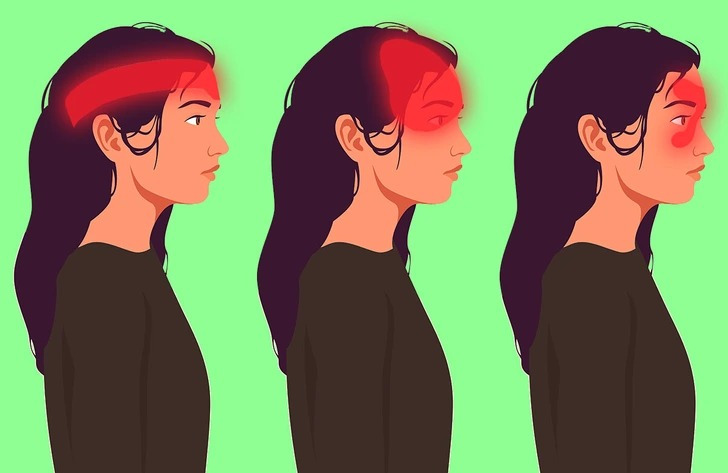
Caffeine causes blood vessels in the brain to constrict. When caffeine levels drop, these blood vessels expand again, causing headaches or migraines. Regular coffee consumers may get withdrawal symptoms if they abruptly cut their caffeine consumption. Excessive coffee consumption can also promote dehydration, which is a major cause of headaches. If you frequently experience unexplained headaches, cutting back on coffee may help.
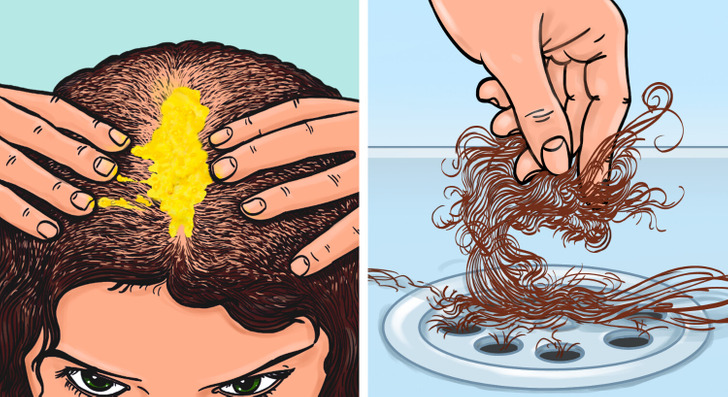
Caffeine’s drying effects affect not only your body, but also your scalp, causing extreme dryness or flakiness. A dry scalp can be painful, and in some circumstances, it can harm overall hair health. If your scalp feels dry and your hair appears less full than usual, your caffeine consumption may be playing a larger impact than you realize.
Restless legs. If you’ve ever felt like your legs won’t stop moving after a cup of coffee, caffeine could be the culprit. Caffeine can overstimulate the neurological system, causing an overwhelming impulse to move one’s legs, particularly at night. This jittery, restless feeling might make it difficult to relax or fall asleep, leaving you tossing and turning rather of obtaining the necessary rest. Caffeine can linger in your system for hours, so even an afternoon coffee could lead to a bad night’s sleep.
Midday energy crashes. Caffeine is supposed to provide energy, but for some people, it has the opposite effect, resulting in dramatic energy collapses just a few hours later. Caffeine causes an adrenaline and blood sugar increase, which then swiftly lowers, leaving you feeling fatigued. If you find yourself craving another cup by early afternoon, you may be trapped in a vicious cycle of dependence.
Constant stomach upset. Caffeine can irritate the gut lining, causing bloating, cramps, and even diarrhea. This soreness might build up over time, leaving you exhausted and frustrated. If your digestive system seems to protest every time you drink coffee, your body may be signaling that it’s time to rest. Switching to decaf or a herbal substitute could make a huge difference.
Dehydration, despite drinking water. Caffeine’s drying effects may prevent your body from adequately absorbing water. Even if you drink water with your coffee, caffeine’s stimulating qualities might leave you feeling thirsty and depleted of energy. If you feel a prolonged thirst, try reducing your coffee intake and restoring water balance.
A covering on the tongue. It may sound unusual, but caffeine’s acidic properties can cause a greenish coating to form on your tongue. This frequently occurs when your digestive system struggles to metabolize the acid, resulting in an imbalance in the bacteria in your mouth. If you consume coffee with a lot of sugar or flavored syrups, the extra sugar might irritate your tongue and contribute to a condition known as geographic tongue. This irritation may eventually cause green coloring on the tongue, as well as discomfort or sensitivity.

Swelling Caffeine is not only an energy booster for some people; it is an unwelcome guest in their bodies. When someone has a coffee intolerance or allergy, their immune system overreacts and treats it as a dangerous toxin. This stimulates the release of histamine, a substance that induces inflammation, in an effort to “fight off” the caffeine. As a result, some people have edema. If your morning coffee makes you feel puffy rather than invigorated, caffeine sensitivity could be to fault.
Increased anxiety If you’ve observed an increase in anxiety or restlessness after your typical coffee fix, your body may be communicating that it’s had enough. Caffeine stimulates the neurological system, which can make some people feel anxious. If you feel more nervous or overwhelmed than usual after drinking coffee, pay attention to how your body reacts. Reducing your caffeine intake can help calm your nervous system and restore balance.

Muscle Spasms Caffeine is a stimulant that affects the neurological system, which can cause muscle twitching or spasms. Caffeine use can induce an electrolyte imbalance, including magnesium and potassium, which are necessary for healthy muscular function. This imbalance can lead to involuntary muscle spasms, particularly in the hands, legs, and eyes. If you experience regular muscular twitches, lowering your coffee intake and staying hydrated may help.