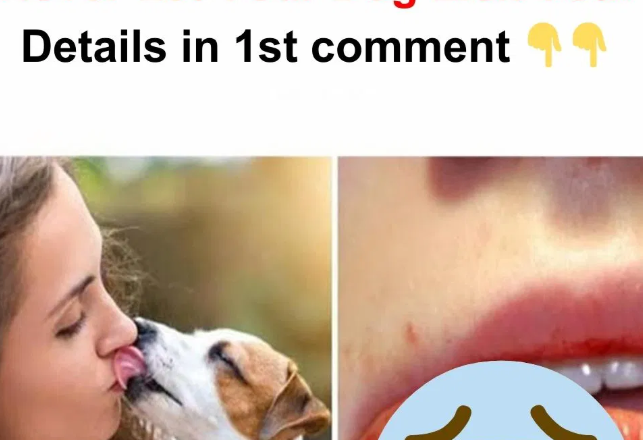
Dogs are devoted and caring friends, and many owners enjoy their affectionate behaviors, such as licking. Allowing your dog to lick you may appear to be an innocent display of affection, but it might pose health hazards. There are several compelling reasons why this behavior should be avoided, including the fact that canine saliva contains bacteria and pathogens that can cause a variety of human ailments.
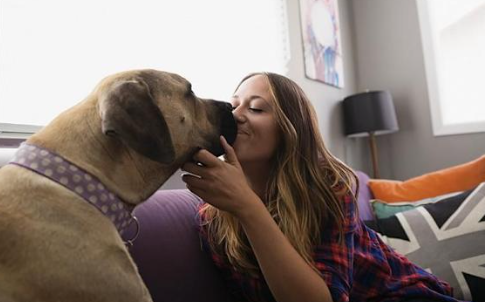
Bacteria and Pathogens in Dogs’ Mouths. A dog’s mouth is not cleaner than a human’s. In fact, dogs frequently explore the world with their mouths, licking surfaces, ingesting items from the ground, and even grooming themselves in bacteria-infested locations. As a result, their saliva may contain bacteria such as Escherichia coli (E. coli), Salmonella, and Campylobacter, which can cause severe gastrointestinal infections if they come into contact with the mouth, eyes, or open skin wounds.
Diseases that can be transmitted. One of the most serious risks of letting a dog lick you is the spread of zoonotic illnesses, which are those that can be passed from animal to human. Some of the most common are: Capnocytophaga canimorsus is a bacteria found in dogs’ mouths that, while rare, can cause catastrophic infections in persons with weaker immune systems. Ringworm (Dermatophytosis): Can be spread through contact with the dog’s saliva or fur.
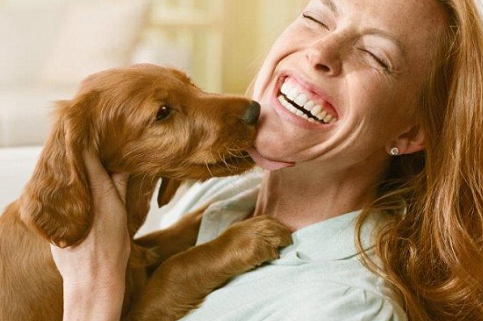
Staph infections include methicillin-resistant Staphylococcus aureus (MRSA), which can cause skin infections and respiratory issues. Parasites include roundworms and giardia, which can be transferred if the dog consumes contaminated feces. How Can You Protect Your Health? While it is not necessary to prevent any contact with your pet, you should take the following actions to reduce the risks:
Don’t allow your dog lick your face, especially around the mouth, nose, and eyes. Wash your hands after playing with your pet, particularly before eating. Keep your dog’s vaccines and deworming treatments up to date. To avoid infection, keep your open wounds away from your dog’s saliva. Although we adore our pets, it is critical to emphasize their health and well-being while avoiding activities that could endanger us.