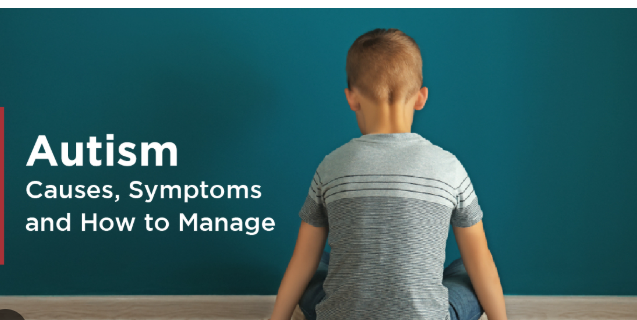
Autism Spectrum Disorder (ASD) affects how a person communicates, interacts socially, and experiences the world. Recognizing the signs early in your child can help ensure they receive the right support at the right time. Here are some key indicators that may suggest your child could be on the autism spectrum:
1. Delayed Communication Skills. One of the earliest signs is a delay in speech or language development. A child may: Not babble or use gestures (like pointing) by 12 months Not say single words by 16 months or two-word phrases by 2 years Repeat phrases (echolalia) instead of using their own words.

2. Social Challenges Children with autism may have difficulty connecting with others. Look for: Limited eye contact Lack of interest in playing with others Not responding to their name. Avoidance of physical touch or unusual reactions to it
3. Repetitive Behaviors and Routines. Repetitive actions or strict routines can also be signs: Flapping hands, rocking, or spinning objects Extreme resistance to changes in routine or environment Deep interest in specific topics or objects
4. Sensory Sensitivities. Children with autism might overreact or underreact to sensory input: Covering ears to block out certain sounds Being unusually sensitive to lights, textures, or smells Seeking sensory input (e.g., spinning or jumping repeatedly)
5. Unusual Play Patterns Autistic children may play differently: Preferring to line up toys rather than play imaginatively Not engaging in pretend play Repeating the same play over and over.

What to Do If You Notice Signs. If you recognize several of these signs in your child, it’s important to consult a pediatrician or developmental specialist. Early intervention can make a significant difference in your child’s development.
Remember, every child is unique, and showing one or two of these traits doesn’t necessarily mean your child has autism. Trust your instincts as a parent, and don’t hesitate to seek guidance if you have concerns.