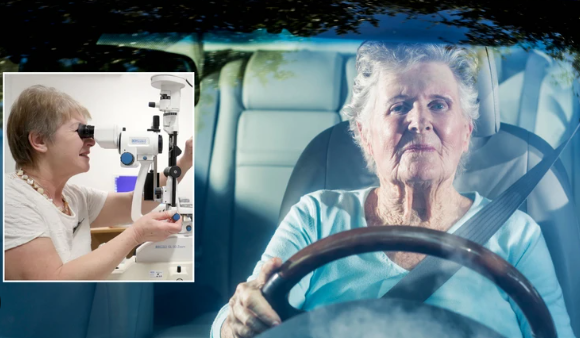
As drivers age, maintaining road safety and confidence behind the wheel becomes increasingly important — especially when it comes time to renew a license or take a driving exam. For individuals over 70, many jurisdictions require retesting to ensure that cognitive, visual, and motor skills are still sufficient for safe driving. While older drivers bring decades of experience, a consistent pattern emerges in testing: the most common mistake is failure to adequately check blind spots and mirrors before changing lanes or merging.
This error is often rooted not in forgetfulness but in subtle physical limitations that develop over time. Reduced neck flexibility, slower reaction times, and diminished peripheral vision can make full head checks and mirror scanning less thorough than examiners expect. Many older drivers also grow overconfident in familiar routes and habits, causing lapses in formal driving protocol — such as the systematic mirror–signal–maneuver routine.

Importantly, this mistake isn’t just a technical fault on the exam; it’s a key safety risk in everyday driving, where unobserved vehicles in blind spots are a major contributor to collisions. To address this, experts recommend several strategies: Practice deliberate and exaggerated mirror and shoulder checks before the test.
Consider installing additional blind-spot mirrors or sensor systems to compensate for physical limitations. Engage in gentle neck and upper body flexibility exercises to improve range of motion. Refresh knowledge of updated traffic rules and best practices through senior driving courses. By proactively preparing and sharpening observational habits, drivers over 70 can increase their chances of passing the exam — and staying safer on the road.