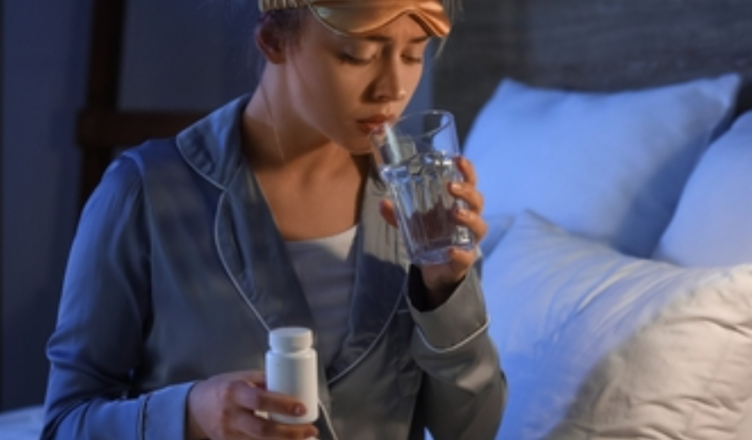
When it comes to achieving a full night of deep, uninterrupted sleep, most individuals consider factors such as how dark their room is, how comfy their mattress is, and what time they set their alarm clock. But there’s another important component that’s often overlooked: what you drink before bed. It turns out that your nighttime beverage selections can have a significant impact on how quickly you fall asleep, how deeply you sleep, and how refreshed you feel the following day.
Many drinks that we deem harmless, or even comfortable, can interfere with our bodies’ natural sleep rhythms. Some beverages contain stimulants, which keep your mind going when it should be shutting down. Others alter your body’s internal processes, such as digestion or water balance, causing you to wake up several times throughout the night. Even drinks that appear to be relaxing on the surface can disrupt your body’s crucial sleep cycles.

Good sleep entails more than simply getting enough hours. It is about getting through all of the necessary stages of sleep without interruption. When those steps are interrupted, your body is unable to repair itself effectively, memory retention suffers, and emotional resilience deteriorates. Long-term, inadequate sleep increases the chance of significant health problems such as heart disease, diabetes, and depression.
What is the good news? A few easy tweaks to your nighttime routine can make a significant difference. One of the simplest ways to begin is by reconsidering what you drink in the hours running up to bedtime. Some drinks are best enjoyed earlier in the day, while others should be avoided totally as the sun goes set. In this post, we’ll look at the three most common drinks you should avoid before bed—and why eliminating them could help you finally achieve the calm, restorative sleep you deserve.
1. Coffee and other caffeinated beverages. Most people are aware that coffee contains caffeine, but many misjudge how long the caffeine remains in the body. Caffeine has a half-life of approximately five to six hours, which means it can remain active long after your afternoon pick-me-up. Drinking coffee—or anything caffeinated—within six hours of bedtime can disrupt your natural sleep cycle.

And it’s not only coffee to be concerned about. Black tea, green tea, energy drinks, and even sodas like cola can contain a significant amount of caffeine. Some hot chocolates, as well as certain over-the-counter drugs, may include caffeine. Even “decaf” coffee includes trace quantities of caffeine, which can accumulate if you are sensitive.
Caffeine inhibits adenosine, a substance that induces tiredness. When your body is unable to produce that drowsy feeling, it remains aware far longer than necessary. This delay may cause you to toss and turn, resulting in shorter, more fragmented sleep. If you want to sleep better, avoid caffeine in the early afternoon.
2. Alcoholic beverages. At first appearance, alcohol appears to be a sleep aid. It can make you tired, allowing you to fall asleep quickly. However, what is happening within your body is quite different—and not in a good manner. Alcohol interrupts the regular stages of sleep, notably REM sleep, which is necessary for memory consolidation and emotional stability. You may fall asleep quickly, but you’re much more likely to wake up several times during the night.

Furthermore, alcohol is a diuretic, which means it causes more urine production. This can result in late-night excursions to the restroom, further disrupting your sleep pattern. Furthermore, drinking can exacerbate breathing difficulties like sleep apnea, even in persons who do not normally have them.
The more you drink, the worse the consequences get. Even little doses of alcohol before bedtime might cause restless sleep and early awakenings. It is recommended that you cease consuming alcohol at least three to four hours before going to bed.
3. Sugary sodas and sweetened beverages. It’s tempting to grab for a soda or a glass of juice to unwind at night, but those sweet drinks contain hidden hazards. Drinks high in sugar can produce blood sugar surges, giving you a burst of energy when you should be relaxing. Later, when your blood sugar levels drop, you may wake up hungry, thirsty, or restless.

Sugary drinks also stimulate your digestive system, keeping it working rather than resting. Even natural fruit juices can be harmful, especially if they are highly processed or contain additional sugars. Some “healthy” drinks, such as kombucha or sports drinks, include unexpected mixtures of sugar and caffeine.
Additionally, many sodas include caffeine, which exacerbates the condition. You might be surprised to learn that your beloved lemon-lime drink or iced tea includes enough caffeine to interfere with sleep. Instead of sugary beverages, try relaxing herbal teas like chamomile or a glass of warm water to help your body prepare for a good night’s sleep.
Final thoughts. Sleep is one of the most effective instruments for maintaining health, focus, and energy. However, it is easy to ignore how minor decisions—such as what we drink before bed—can have a significant impact on how well we sleep. Avoiding coffee, alcohol, and sugary drinks in the evening allows your body to rest, rejuvenate, and mend during the night. Good sleep is something you prepare for, beginning with basic practices. Making better decisions today will help you wake up tomorrow feeling your very best.