
When you hear the term “portholes,” you probably think of little windows on a ship or an airplane, but they may also be found on cows. Yes, you read it correctly. For decades, farmers and scientists have used portholes to access cows’ bellies. While most people are unaware of this contentious practice, it is critical in animal research and agriculture. Here’s all you need to know about using portholes on cows, including their purpose and why this technique is both appreciated and reviled.
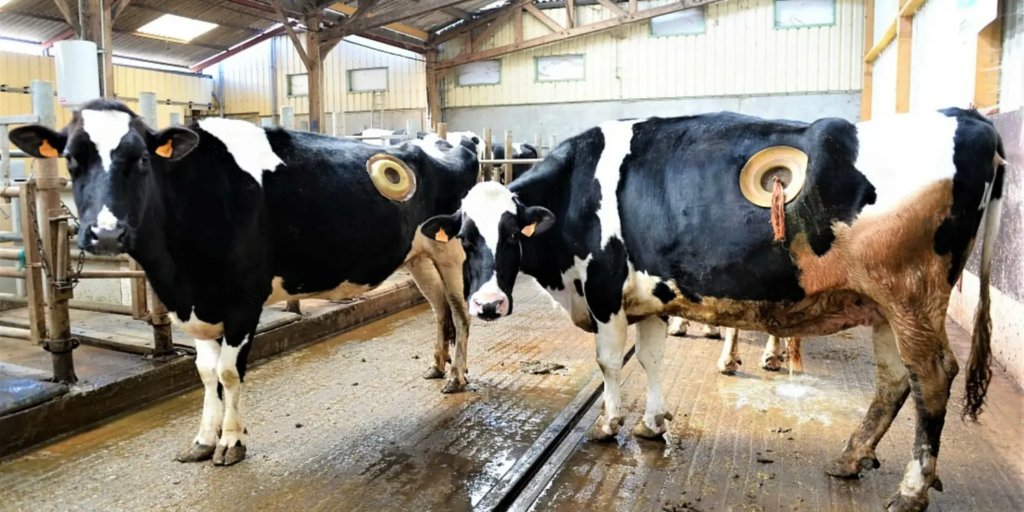
Cow portholes, also called cannulas or fistulas, are surgically implanted openings that provide direct access to a cow’s stomach. These apertures are usually sealed with a plastic ring to keep the hole accessible for research reasons. The technique enables scientists to enter or remove stuff from the cow’s rumen (the largest of its four stomachs) without having to repeatedly sedate or operate on the animal.
Portholes provide simple access to a cow’s stomach, allowing researchers to study digestion and feeding efficiency. Farmers and scientists use them to monitor how cows digest food in order to enhance feed formulations that optimize growth and milk output while also reducing undesirable emissions such as methane and nitrates. 2 The ultimate goal is to develop a more sustainable and productive agricultural system while minimizing the environmental impact of livestock husbandry.
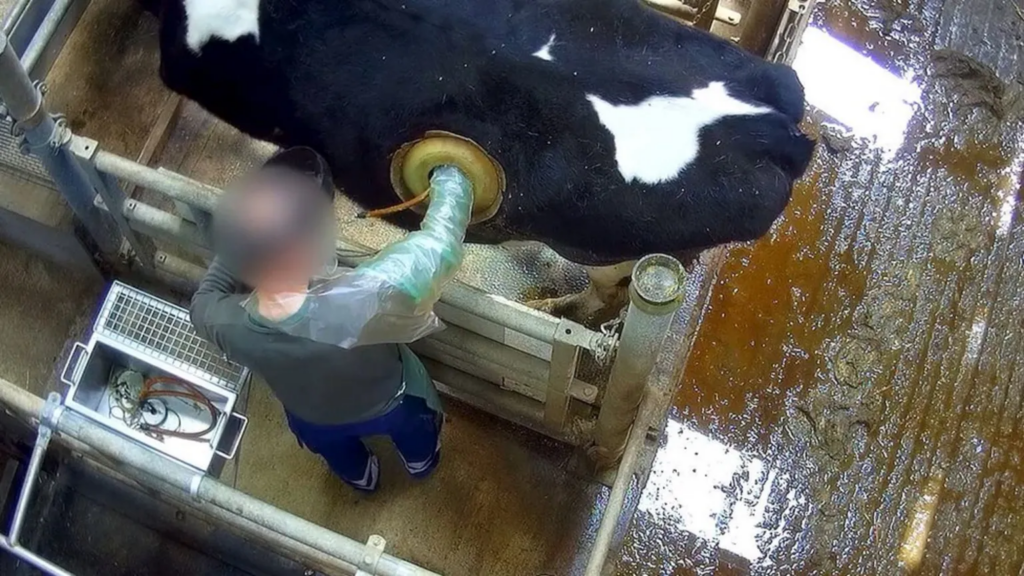
The practice dates back to the 1920s. Surprisingly, studies believe that cows with portholes typically live longer lives than their counterparts. After an initial healing period of four to six weeks, the cows are said to resume their normal lives. According to studies, these cows do not suffer from chronic pain and can live for 12-15 years. However, the initial procedure causes some discomfort and risk to the animals.
Maximizing milk production while reducing emissions. The fundamental reason for this process is to increase food output while reducing environmental damage. Understanding how cows digest various types of grain might help farmers devise diets that boost milk production and reduce the need for antibiotics. Furthermore, reducing methane emissions from cows—one of agriculture’s main contributions to greenhouse gases—has emerged as a prominent focus of this research.
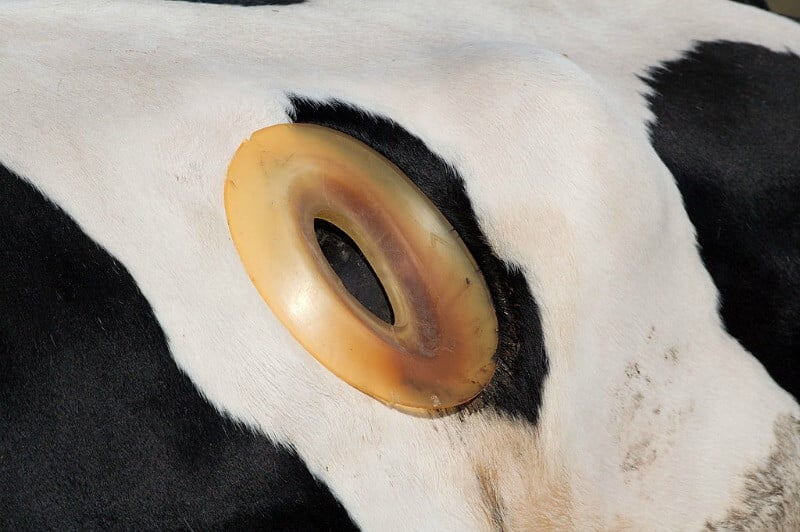
As technology progresses, new ways for investigating digestion are emerging. For example, laboratory models that mimic the fermentation process in a cow’s stomach are gaining popularity. These plastic replicas replicate the conditions inside the rumen, eliminating the need for fistulated cattle. However, many researchers continue to believe that direct contact to a live animal provides insights that cannot be duplicated in a laboratory setting.