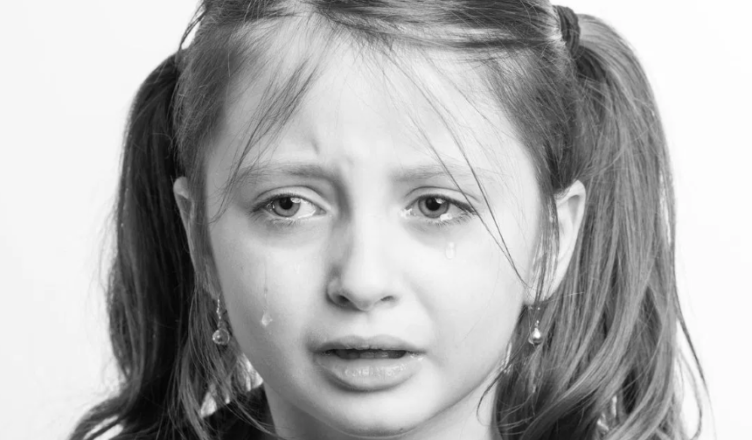
My youth feels like a faraway film projected through a dusty pane of glass—most of it smeared and blurry, except for the parts that still sting. Those events are memorable not because they were pleasant, but because they were the most painful. I can’t remember my father’s face. He vanished before I could establish any memories, when I was only a baby. I’ve only ever had his name on my birth certificate.
That is the extent of my relationship with the man who went without a trace, leaving only doubts. “Your daddy went away,” my mother used to say. “Sometimes people just go away, Stacey.” I didn’t grasp what she was saying back then. I do now. My mother, Melissa, was not absent, but I often wished she were. She was present in the worst possible ways: angry, exhausted, and resentful. Our small, dirty house usually smelled burned or stale, and it was filled with angry voices and abrupt silences.
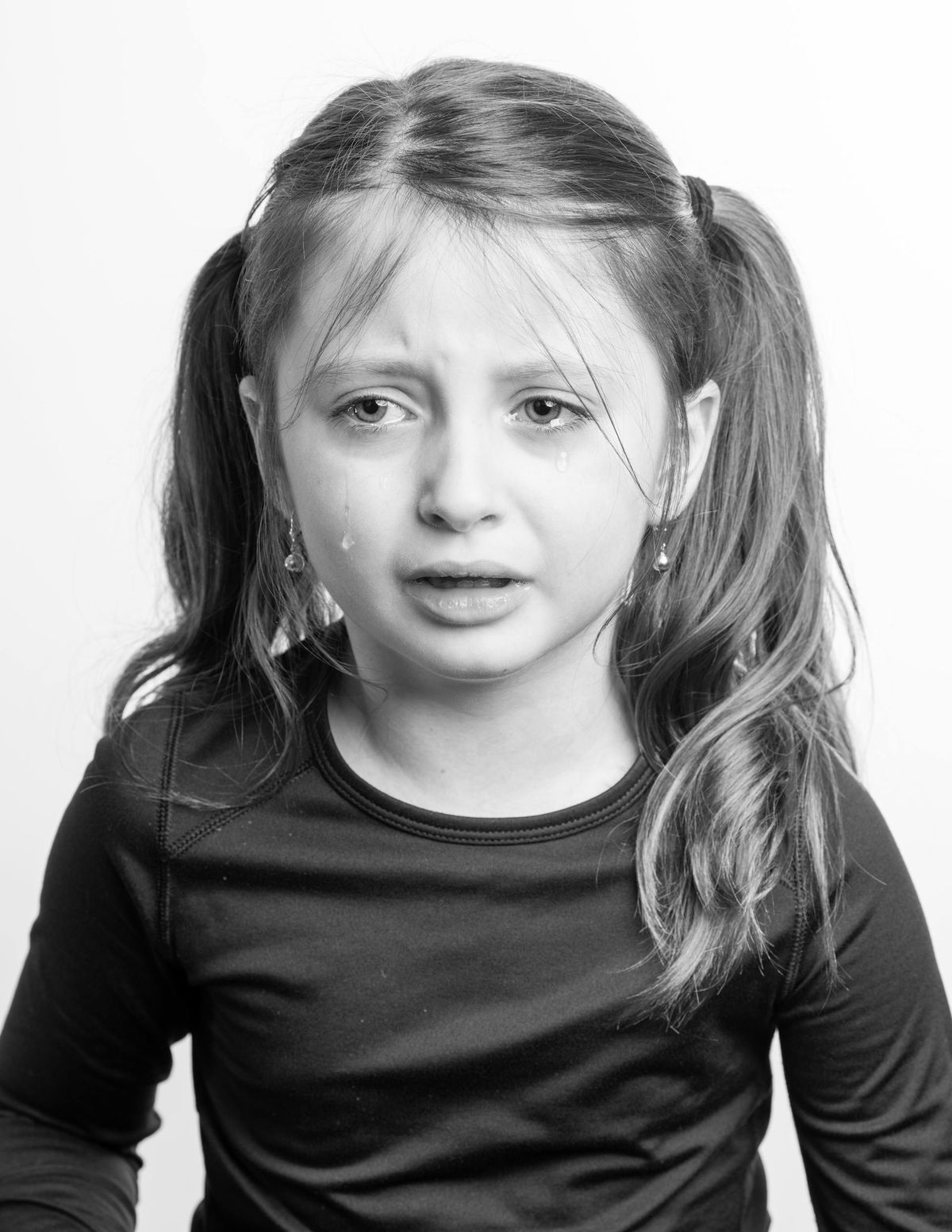
Instead of goodnight stories, I recall slamming cupboard doors and the buzz of the microwave heating frozen dinners, while Mom murmured to herself, “I can’t keep doing this.” I was nine when everything changed. It was a Friday, and I’d returned home ecstatic after passing a spelling exam. But as I stepped in, Mom was sitting at the kitchen table, surrounded by papers and with shadows under her eyes. “Stacey, sit down,” she said, without even looking at me.
“I got a hundred on my test!” I announced, hoping to elicit a rare smile. But she did not smile. “I can’t take care of you anymore,” she said. She slid a piece of paper toward me. I couldn’t read much, but the term “custody” jumped out. “Social services will be here tomorrow.” I began crying. “I don’t want to go!” “It’s just for now,” she murmured, her gaze fixed on everything but me. “Just until I get back on my feet.” Mrs. Patterson arrived the next morning, softly spoken and with kind eyes.
I clung to my mother, but she handed me a garbage bag of clothes and told me to be good. “I will see you soon.” I believed her. The children’s home was large, cold, and loud. I shared a room with a quiet girl who rarely spoke. Every day, I wondered, “When is my mother coming back?” “Soon,” Mrs. Patterson would reply. I informed everyone that she would be arriving shortly. My mother loved me. She was simply struggling. She would come back. At 11, I saved enough money to send her a birthday card. It was returned with the stamp “Return to Sender.”
Mrs. Patterson hugged me as I grieved, but I could see the truth in her eyes. My mother was gone. For good. By 13, I had ceased asking about her. I was in my third foster family and had realized that optimism was a hazardous thing. It led you to expect love where there was none. So I became invisible—quiet, helpful, and forgettable. Best presents for your loved ones. Years have passed. I grew up, graduated, and eventually found contentment with my own small family. At the age of 27, I gave birth to my daughter Emma. I promised her that she would never feel the same way I did. She’d always feel needed, noticed, and adored.

My husband, Jake, and I created a life that felt healing. We purchased a cozy home, had vacations, celebrated holidays, and adorned the walls with photographs of joy. Emma’s laughing became my soundtrack. “You’re such a good mom,” Jake would say. “I’m trying,” I’d say. Because I didn’t have a blueprint, I built a house from the ground up with nothing but love. Best presents for your loved ones. And then, one regular evening, everything changed.
Emma had just fallen asleep. Jake was working late. I was sipping tea when I heard a knock at the door. A fragile, older woman stood on my porch, clutching a grocery bag. Her hair was grey, and her clothing were worn. But it was her eyes that captivated me. They were my. Or, more specifically, her mother, who had abandoned me. “I need help,” she said. “I am homeless. I have no one. “You are my only child.” I stood paralyzed, the warmth of my home abruptly fading. She didn’t ask how I was. I didn’t ask about Emma or Jake. She simply stood there as if I owed her something.
I should have closed the door. But I did not. I allowed her inside. She slept on the couch before moving to the guest room. Days turned into weeks. She was pleasant at first, but then she started making comments. “I had no help when I was your age.” “You were constantly crying. “Always needy.” The final straw came when I overheard her advise Emma, “Sometimes you have to step away from people who hurt you—even family.” Emma appeared confused. I noticed terror on her face. That night, I packed a garbage bag, precisely like the one she gave me as a youngster, and placed it near the door.
“You have to leave,” I stated. “You can’t do this,” she exclaimed. “I’m your mother!” “No,” I replied. “You’re a stranger who left a child and only returned when you needed something.” “Family is all you have!” “No. Love is. And you gave it up a long time ago. Best presents for your loved ones. After she departed, I sat by Emma’s bed, watching her sleep, and resolved to never let anyone hurt her, not even with blood. Weeks later, I mailed my mother a birthday card. Blank. There’s no return address.
Inside, there is only one line: “Sometimes you have to step back from people who have hurt you.” I have no doubt she understood. Because I now realize something she never did: parenthood is about giving rather than receiving. And I am giving Emma everything. The cycle concludes here. Join me.