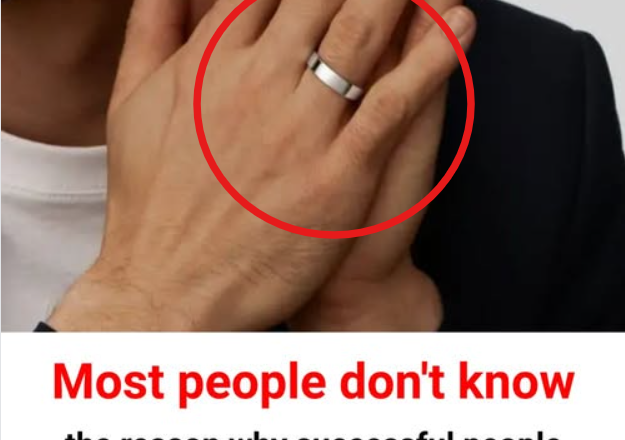
When you see successful people, such as corporate executives, celebrities, or public figures, you may notice a minor but interesting detail: many of them wear rings on their right hands. At first appearance, it appears to be a personal taste. However, there are numerous cultural, psychological, and symbolic reasons behind this choice. Many cultures associate the right hand with activity, dominance, and decision-making. It is the hand that individuals use to write, shake hands, point, and do the majority of their daily activities. For millennia, the right hand has symbolized strength, control, and initiative.
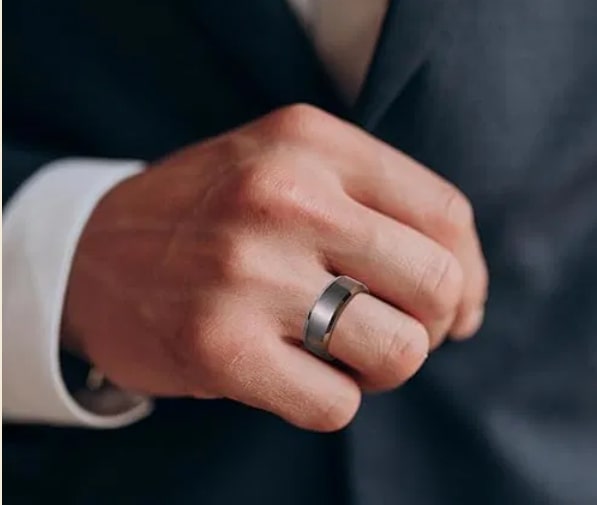
When someone wears a ring on their right hand, particularly on the index or ring finger, it draws attention. It conveys confidence and indicates that the person is at ease being seen and spotted. For leaders and influencers, this is a deliberate action. They recognize the nonverbal cues that their hands communicate, particularly in business meetings, public appearances, and social events.
Not Just Fashion—A Statement. Wearing a ring on your right hand is frequently more than simply a fashion statement; it’s a statement of identity. Unlike wedding rings, which are usually worn on the left hand in many Western societies, right-hand rings are not constrained by societal traditions. They demonstrate independence, originality, and intention. A ring on the right hand could represent:
Professional achievement (e.g., class or organization rings). Personal milestones (such as self-gifted rings to commemorate a goal or transition). Status or legacy (such as family crests or treasures). In certain circumstances, successful people wear custom-made rings on their right hands to signify their brand, company, or journey.
Psychology of Visibility and Influence. From a psychological standpoint, the right hand is more visible during discussions and gestures, particularly among right-handed people (the majority). Wearing a ring on that hand ensures that it is noticed—without being overly ostentatious.

This visibility contributes to a subconscious effect: people are more inclined to perceive someone as powerful or successful when they notice minor evidence of taste and control, such as a well-chosen ring on the dominant hand. It is a type of nonverbal communication that says, “I know who I am, and I’m not afraid to show it.” Cultural variations.
It’s also worth mentioning that in several countries, including Russia, Germany, India, and parts of the Middle East, wedding rings are typically worn on the right hand. Rings on the right hand are perfectly acceptable in these cultures, and even expected. Wearing rings on the right hand may symbolize a person’s origin or their adherence to international customs.