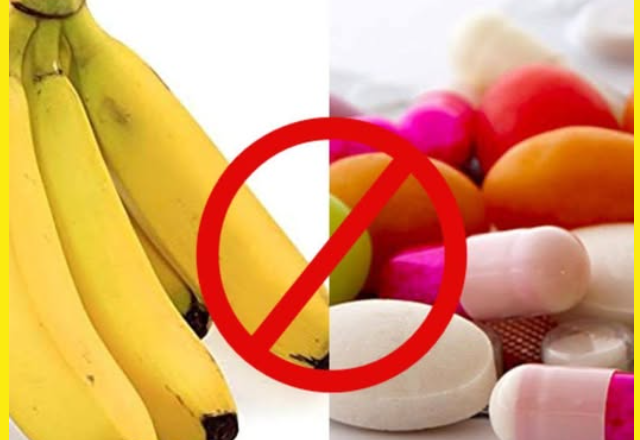
When you start a new medicine, your doctor or pharmacist will usually advise you about any potential, hazardous drug interactions. It is well recognized that a wide range of pharmaceuticals, including antibiotics, pain relievers, and several over-the-counter medications, can interact negatively with alcohol. The outcomes can range from unpleasant to potentially lethal. However, a lesser-known but equally crucial issue is how different meals interact with drugs and alter their efficacy. Certain meals can influence medicine absorption or metabolism, reducing its effectiveness and perhaps causing negative side effects.

According to Bethanne Brown, a professor of pharmacy practice at the University of Cincinnati’s James L. Winkle College of Pharmacy, this critical information is often neglected by healthcare practitioners. “It’s an issue that many people aren’t aware of. “To be honest, it’s not on many doctors’ radar screens,” she adds. While this information is typically included in the prescription paperwork, it can be easily overlooked.
Why Food-Drug Interactions Are Important, Especially for Seniors. It is critical to be mindful of potential food-drug interactions, particularly in older persons. According to Lown Institute study, 42% of US individuals aged 65 and older use five or more prescription drugs per day, with over 20% taking ten or more, complicating medication management and raising the risk of food-drug interactions.

In some situations, eating certain foods might diminish a drug’s effectiveness or raise its blood levels, potentially resulting in serious or even fatal adverse effects. Always read your medication’s warning labels and ask your doctor or pharmacist about potential food interactions with your drugs to avoid bad effects or, worse, grave injury.
Common Food-Drug Interactions to Look Out For. Certain meals can impair the effectiveness of prescription drugs, potentially resulting in unpleasant side effects or diminished therapeutic advantages. It is critical to be aware of these interactions in order to achieve optimal health and drug effectiveness. In this part, we’ll look at eight popular foods that can interact with prescription drugs, highlighting the hazards and offering advice on how to avoid them for better health management.
1. Fiber-rich foods and certain medications. High-fibre foods, such as soybean flour and walnuts, can affect the effectiveness of levothyroxine, which is used to treat an underactive thyroid gland, and digoxin, a heart failure medication. These foods can impact medicine absorption and treatment efficacy. Digoxin should be taken at least two hours before or after a high-fiber meal or snack.

2. Bananas and ACE inhibitors. Consuming potassium-rich foods such as bananas, avocados, tomatoes, and dried apricots alongside blood pressure-lowering ACE inhibitors might result in excessive potassium levels in the body, potentially leading to hazardous heart arrhythmias, says Brown. Limit your intake of potassium-rich meals when taking an ACE inhibitor. Some ACE inhibitors, including captopril and moexipril (Capoten and Univasc), should be taken at least one hour before a meal.
3. Liquorice with Blood Pressure Medication. Consuming potassium-rich foods such as bananas, avocados, tomatoes, and dried apricots alongside blood pressure-lowering ACE inhibitors might result in excessive potassium levels in the body, potentially leading to hazardous heart arrhythmias, says Brown. Limit your intake of potassium-rich meals when taking an ACE inhibitor. Some ACE inhibitors, including captopril and moexipril (Capoten and Univasc), should be taken at least one hour before a meal.