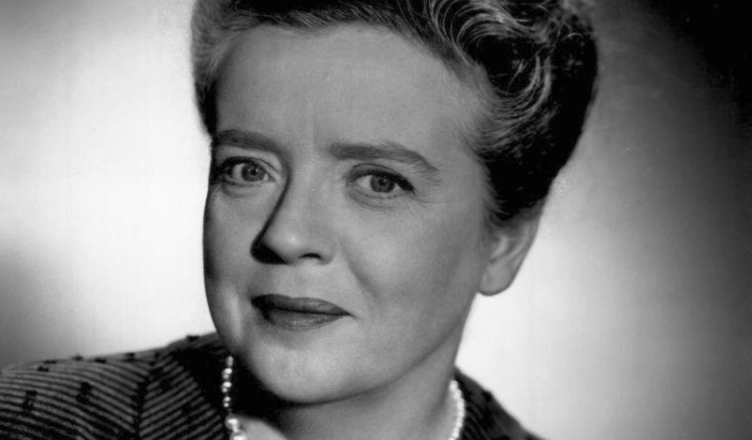
Frances Bavier, a talented New York actress, made a lasting imprint on the beloved show “The Andy Griffith Show” as “Aunt Bee.” Despite her immense popularity as a beautiful and warm-hearted figure, Bavier’s intelligence and age occasionally generated tension with her younger subordinates. After “The Andy Griffith Show” ended, rumours began to circulate about Bavier’s actual feelings towards her role and coworkers.
According to some stories, she was ill-tempered and detested her part, while others claimed she despised the relaxed and humorous atmosphere on set. Regardless of these assertions, it is undeniable that Bavier’s portrayal of “Aunt Bee” was crucial to the show’s long-term success and legacy. Her ability to portray both the warmth and oddities of the character garnered her fans all over the world. The fact that the role is still so closely associated with her is a testament to her acting talent.
While the allegations about Bavier’s behind-the-scenes behavior may never be proven, her accomplishments to television and entertainment will undoubtedly live on. Her legacy as one of television’s great ladies and an integral part of “The Andy Griffith Show” will live on in the hearts of future generations of fans and performers. Frances Bavier, popularly known as Aunt Bee in “The Andy Griffith Show,” was known for her chaotic final days.
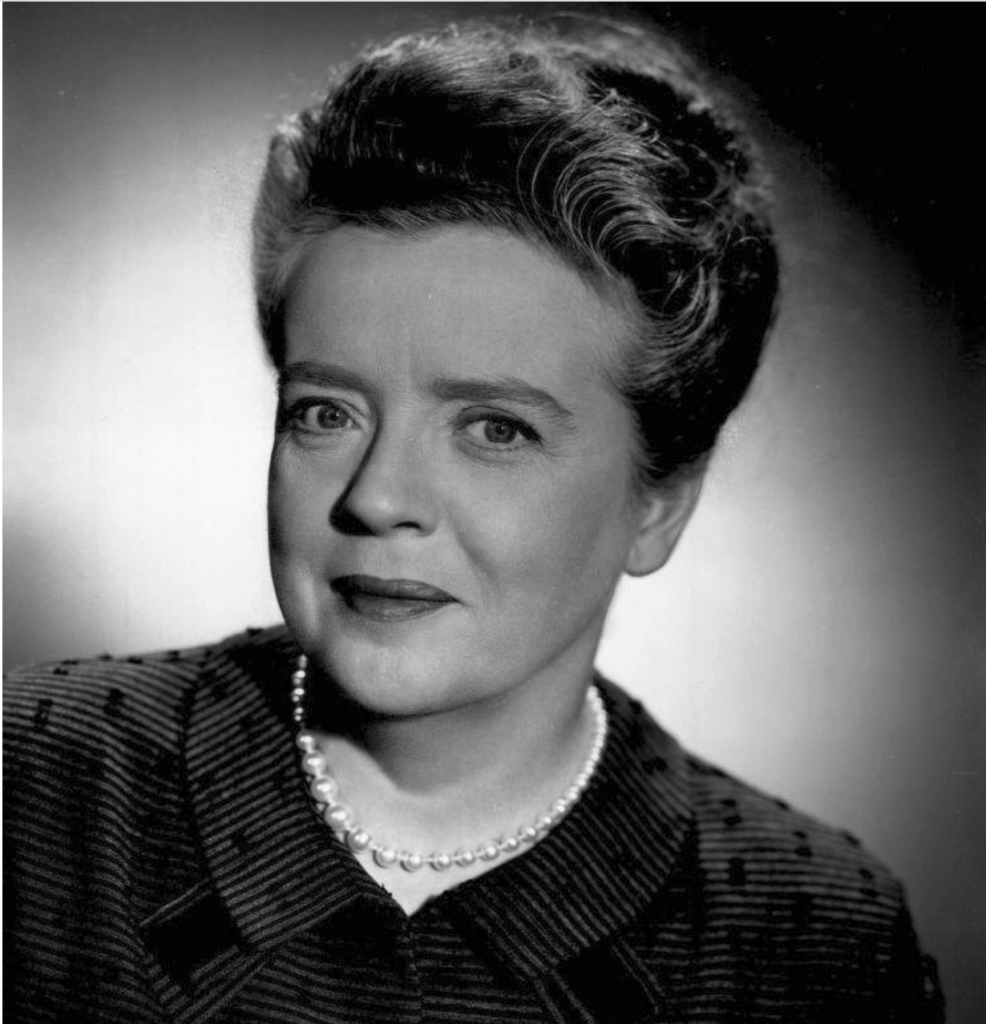
Recent revelations, on the other hand, have shown a much more thorough and nuanced portrait of the actress.Bavier’s childhood in Manhattan in 1902 was quite typical for the time. Her father was a stationary engineer, while her mother took care of the family at home. Bavier desired to be a teacher as a teenager and enrolled at Columbia University. Her time there, however, was challenging, and she quickly discovered that she was unable to manage the demands of academic life.
In an interview with The Charlotte News, Bavier said that her time at Columbia was a nightmare. She described feeling terrified before deciding to pursue her true calling, acting. She began her career in vaudeville before heading to Broadway, where she quickly became known for her brilliance and ability. Despite her success in the theater, Bavier believed she had much more to learn and chose to further her education. She graduated from the American Academy of Dramatic Arts in 1925.
She continued to hone her craft after that, working steadily in the entertainment industry for many years.While Bavier is best remembered in popular culture for her portrayal as Aunt Bee, her life and career were far more varied and complicated than many believe. Her journey from failed student to acclaimed actor exemplifies her tenacity, persistence, and dedication to her craft.
Frances Bavier’s Broadway career began when she was cast in “On Borrowed Time.” Her performance generated a sensation, and she rose to fame as an actor. When WWII broke out, Bavier joined the USO and flew to the Pacific to entertain US troops in a hazardous environment. Bavier made his television debut in the 1952 crime drama “Racket Squad.” After the success of the play, Bavier began receiving offers for numerous TV shows and movies. Her most significant role, however, was yet to come.
Because several sources present inconsistent facts, it is still unknown whether Bavier ever married. Her husband was a war veteran named Russell Carpenter, and they were married from 1928 to 1933, according to some reports. In a 1964 interview with the Star-Gazette, Bavier discussed her marriage. Although it is unclear whether she was referring to Carpenter, she did reveal her marital status.

However, the details of her personal life have mostly remained unknown, as Bavier was extremely reclusive. Regardless, her brilliance and beauty have left an indelible mark on the entertainment industry, and her achievements will be remembered. Frances Bavier was an American actress best known for her portrayal as “Aunt Bee Taylor” in the classic television series “The Andy Griffith Show,” in which she co-starred alongside Ron Howard and the titular Andy Griffith.
She encountered a conundrum that many women face today: she wanted to pursue a career and a family life but found it difficult to manage the two. Frances claims that it wasn’t so much that she disliked her spouse as it was that she enjoyed acting more. Despite knowing that psychologists believe a woman may work and have a family, Frances sympathized with her husband’s desire for his wife to be completely devoted to him and their children.
In 1955, she agreed to appear in an episode of “Make Room for Daddy” alongside Andy Griffith and Ron Howard – the pilot for The Andy Griffith Show. This series was hugely successful, and its characters became iconic symbols of society’s stringent moral code in the 1950s and 1960s. Frances Bavier appeared in more episodes than any other character throughout the show’s ten-year run, eventually winning an Emmy Award for her portrayal of the beloved Aunt Bee in 1967.

Frances Bavier, who played Aunt Bee on “The Andy Griffith Show,” was well-known for her stern demeanor on set. She was noted for being haughty and demanding, and she occasionally clashed with co-star Andy Griffith. Regardless, producer Sheldon Leonard praised her professionalism and talent, describing her as a “fine comedienne” and a “fine actress with very individual character.”
Bavier had mixed feelings about her famous role, feeling both trapped by it and grateful for the celebrity it brought her. She talked about how tough it was to become so identified with a character that her own identity seemed to evaporate. She did, however, reap the benefits of being well-known across the country, particularly while she was lonely working in California. In 1961, Bavier informed The Charlotte News that Aunt Bee frequently lifted her spirits. She’d go food shopping and enjoy the warm greetings from her fans.
She was, however, dissatisfied with being remembered for her TV role rather than her acting ability. Despite these conflicting opinions, Bavier’s Aunt Bee is one of television’s most beloved characters. Frances Bavier, well known as Aunt Bee in “The Andy Griffith Show,” reportedly contacted her co-star Andy Griffith four months before her death in 1989.In 1998, Griffith told Larry King that Bavier had called him to apologize for her terrible behavior on set.
Bavier was known for being touchy and volatile due to her age, according to the show’s producer, Richard Linke. Despite repeatedly insulting her on set, the two eventually became extremely good friends. Bavier moved to Siler City, North Carolina, a small community of roughly 3,700 inhabitants, after retiring from acting in 1972. Bavier, on the other hand, found it difficult to acclimate to small-town life because the people saw her as a recluse and disagreeable woman.
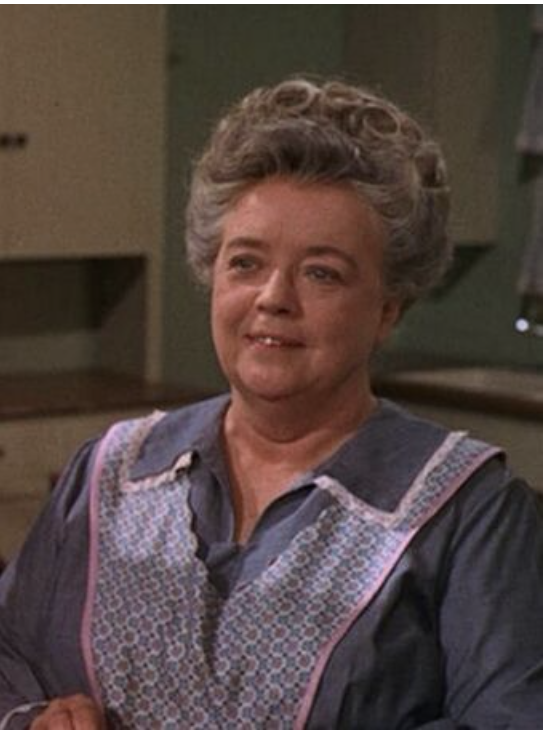
Siler City and North Carolina have both taught me a great deal. Bavier confessed her trouble adjusting to her new circumstances in a local news program, adding, “Living here has been difficult for me.” Despite her struggles, Bavier maintained a strong following in Siler City and internationally. Besides “The Andy Griffith Show,” she appeared in a number of other films and television shows over her career.
Fans of the show are still looking for Bavier’s work on television and remember her fondly for her classic portrayal as Aunt Bee. Frances Bavier, best remembered for her role on The Andy Griffith Show as Aunt Bee, spent her final years alone. Despite her celebrity and the possibility of countless adoring fans, she chose to shun public appearances and interviews in favor of a tranquil and solitary living with her cats.
Frances was a profoundly private person who valued her own space and solitude, according to Diana Hatch, who worked with her at the University of North Carolina Center for Public Television. According to some, she had become a recluse who rarely spoke to anyone. Near the end of her life, Frances was invited to appear in the television movie “Return to Mayberry,” a continuation of The Andy Griffith Show. She declined the offer, ostensibly due to her deteriorating health.
According to Andy Griffith, Frances expressed interest in the project but ultimately declined because she didn’t want people to see how sick she had become.Frances had been living alone for a long time, and she was said to have wished for people to remember her as Aunt Bee in her prime. Her demise stunned many people, and the reason of death is still unknown.
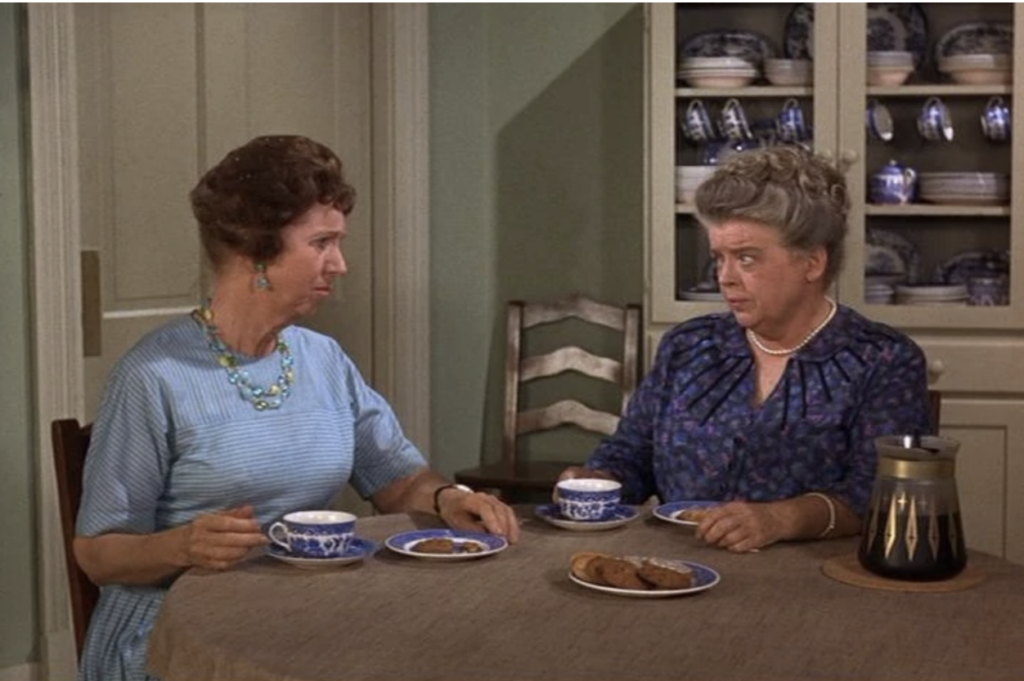
Her legacy, however, continues on, and her portrayal as Aunt Bee remains a cherished and famous television figure. Frances Bavier, best known for her role as “Aunt Bee” on The Andy Griffith Show, died in 1989, only eight days before her 87th birthday. The actress had been suffering with a number of health issues that eventually overcame her body and led to her death. Her primary reasons of death were congestive heart failure, myocardial infarction, coronary artery disease, and atherosclerosis.
According to the Los Angeles Times, the actress died in a big back room with simply a bed, desk, television, and an end table with her reading glasses, opera glasses, black licorice, and a bell. The room’s bare walls and emptiness were a far cry from the cozy and cheery interior of the fictitious house where “Aunt Bee” lived in Mayberry. Frances had taken little care in maintaining her small apartment, and there were no valuables inside.
Frances was regarded to be capable of caring for her home and her pet cats until she grew too elderly and ill to do so. Unfortunately, aging and declining health might impair a person’s ability to do chores on their own. It is only fair to judge someone’s actions after learning the full story of their lives. As a result, Frances’ decisions can only be made with further information.
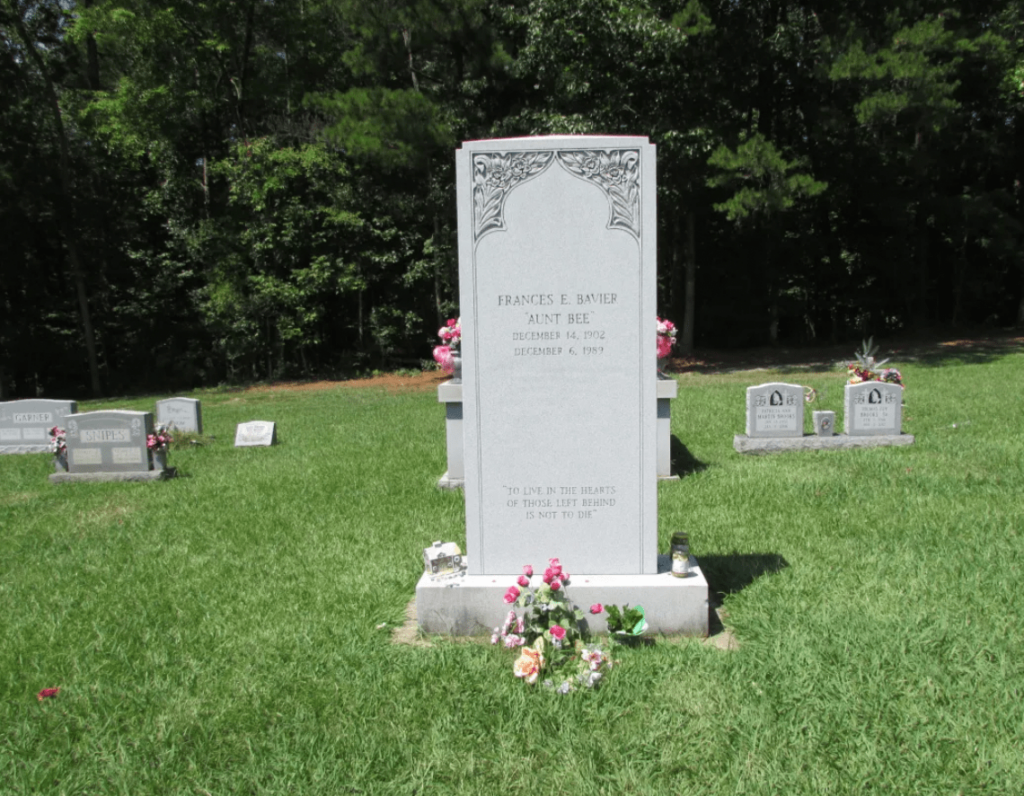
Frances, who was well-known for her generosity, bequeathed a large sum of money to the local police department when she died. Her estate, valued at $700,000, was transferred to a medical institution. In addition to this philanthropy, Frances endowed her antiques to the public television network. Frances’ legacy reflects her gentle and generous attitude. Despite her wealth, she maintained a humble and gracious demeanor, choosing to donate to those in need rather than hoard her fortune.
The local police department and hospital foundation will be grateful for her contributions, and her name will go down in history as a benefactor who had a significant impact on their institutions. Furthermore, the public television network will take care of her one-of-a-kind and irreplaceable possessions. Frances had a lovely heart that will never be forgotten.