
Step 1: Observe the Color. Avocados occur in a variety of colors, from bright green to deep, dark green, almost black. Avocados’ colors tend to deepen as they ripen. Begin by looking for avocados that have darkened. However, keep in mind that color alone is not necessarily a reliable indicator of maturity, but it is an excellent place to start.
Step 2: Check the firmness. The best way to determine an avocado’s freshness is to feel it in your palm. Give the avocado a gentle squeeze with your palm (avoid using your fingernails because they will damage the fruit). If the avocado responds to firm, mild pressure, it is ripe and suitable for consumption. If it feels hard, it will take a few extra days to ripen. Conversely, if it feels excessively soft or mushy, it may be overripe.
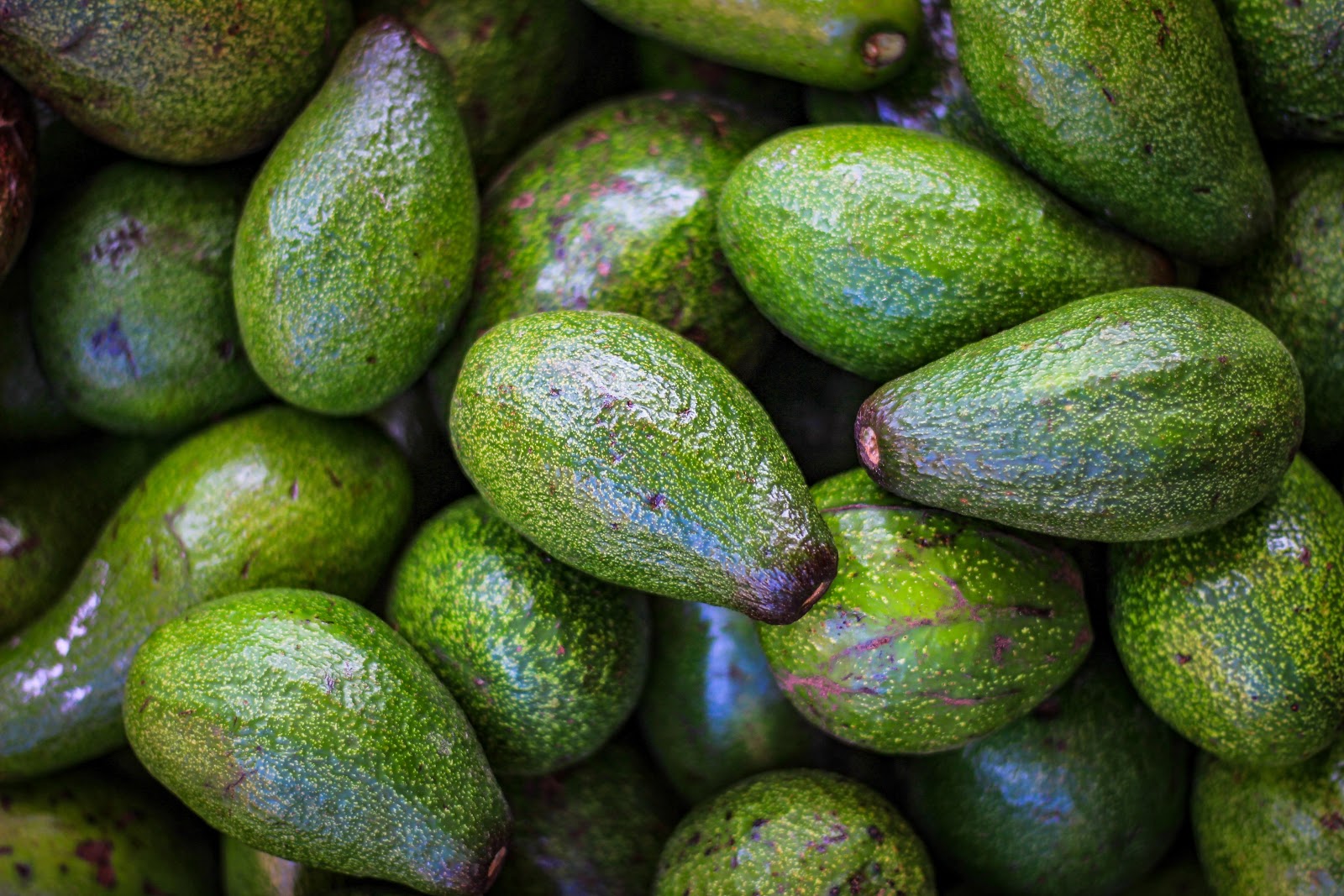
Step 3: Examine the skin texture. Examine the peel of an avocado. It should be slightly rough. This texture is typical of the Hass type, which is sold in numerous stores. An avocado with very smooth skin may not be fully ripe, whereas one with overly wrinkled skin may be past its prime.
Step 4: The Stem Trick. Look under the stem or cap at the top of the avocado. Gently pull it back to reveal the color underneath. If it’s green, the avocado is probably fine to go. If the avocado is brown, it may be overripe. If the stem does not budge, it likely requires more ripening time.
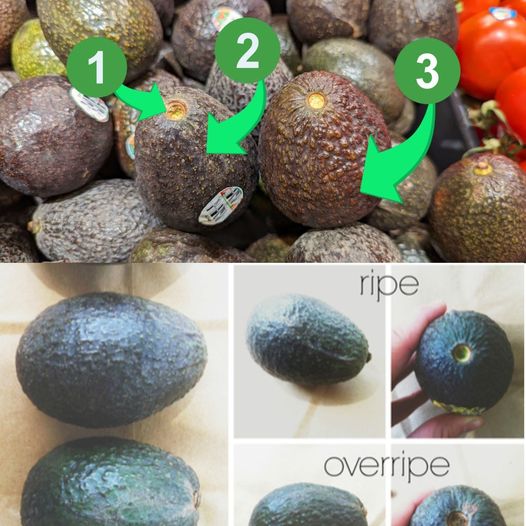
To speed up the ripening process of an unripe avocado, store it in a brown paper bag with an apple or banana. The ethylene gas released by these fruits promotes ripening. Avocados, once mature, can be refrigerated to slow further ripening and preserve them for use when ready. Now that you know how to select a ripe avocado, you can incorporate this versatile and healthful fruit into your next recipe. Happy avocado searching!