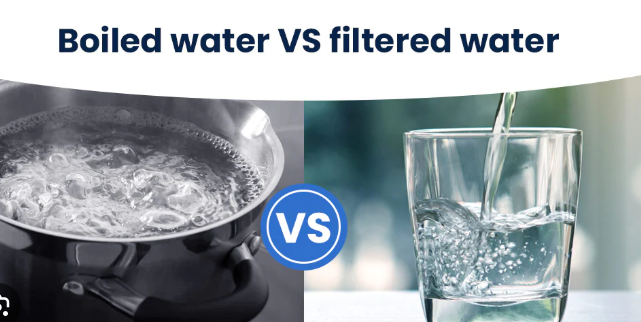
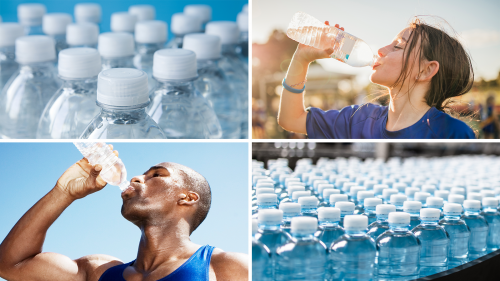
Some people choose to drink bottled water because they are concerned about the quality of tap water, but others are used to drinking traditional boiling water. The answer is found in two recent studies. Researchers investigated five different water bottles from three well-known brands (names omitted). They identified 240,000 particles on average, primarily in nano form, from seven different types of plastic.
While nanoplastics, which are smaller than 1 micron, are thought to be more dangerous because they can easily penetrate organs such as the intestines and lungs, enter the bloodstream, and even reach the heart and brain, previous research has focused on microplastics, which are pieces smaller than 5 mm but larger than 1 micron (1/1000 mm). They eventually enter the fetus after passing through the placenta.
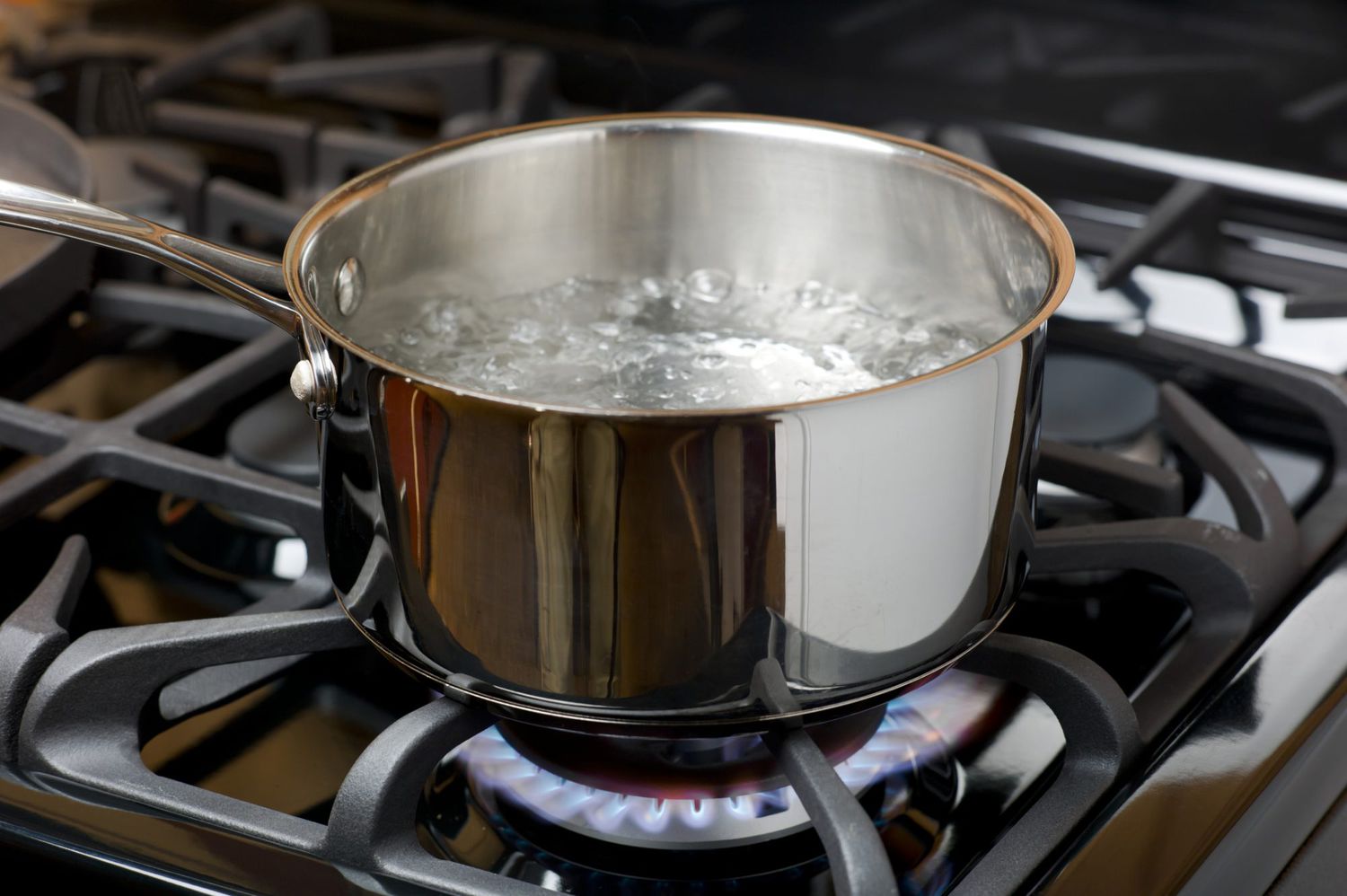
Scientists examined five different water bottles from three prominent brands (the names were not revealed). On average, they discovered 240,000 particles from seven distinct types of plastic, most of which were nanosized. However, research into the actual harm caused by nanoplastics is still ongoing. According to a recent study published in the journal “Environmental Science and Technology Express” by Professors Li Zhanjun of Guangzhou Medical University and Zeng Yongping of Jinan University’s School of Environment, boiling and filtering water can remove up to 84% of nano/microplastics.
This is the most basic and safest form of water filtration, reducing the amount of microplastics that individuals consume through their drinking water.So, where do microplastics in the ocean end up? The study found that missing microplastics transferred from water to sediment. Calcium carbonate in sediment can remove microplastics from water by co-precipitating with them.
Finally, the study investigated the amount of microplastics taken by adults and children from tap and boiling water in 67 regions spanning six continents, depending on water quality and drinking patterns. Tap water was found to contain two to five times more microplastics than boiling water.