
The Historical Significance of Ginger in Traditional Healing Practices. Ginger has been a staple in traditional medicine for centuries. In Ayurveda, the ancient Indian system of healing, it is revered as a versatile remedy for conditions such as inflammation, digestive disorders, and respiratory issues. Similarly, Traditional Chinese Medicine highlights ginger’s warming qualities and its ability to balance bodily energy. Over the ages, ginger has been used to address a variety of ailments, from nausea and colds to arthritis and muscle discomfort, cementing its place in the world of herbal medicine.
Exploring Ginger’s Pain-Relieving Benefits. Ginger’s ability to reduce pain comes from its active ingredients, gingerols and shogaols. These compounds possess antioxidant and anti-inflammatory properties that help decrease swelling and alleviate pain. Ginger functions by blocking the production of prostaglandins, chemicals that cause inflammation and discomfort, in a manner similar to non-steroidal anti-inflammatory drugs (NSAIDs) but without the negative side effects associated with synthetic drugs.
My Nana’s Discovery of Ginger for Arthritis Relief. My grandmother stumbled upon ginger’s pain-relieving powers by chance. She had been suffering from chronic arthritis pain when a friend recommended trying ginger as a natural solution. Though initially doubtful, she began drinking ginger tea. After a few weeks, she noticed a marked reduction in her joint pain. Motivated by this improvement, she started incorporating ginger into her daily routine in various ways.
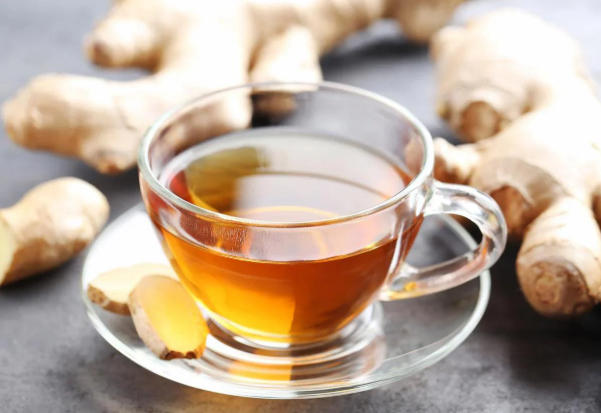
Ginger Tea: A Comforting Brew for Pain Alleviation. One of my grandmother’s favorite remedies is ginger tea, a simple yet highly effective way to manage her pain. She simmers slices of fresh ginger root in hot water, sometimes adding honey or lemon for taste. This soothing beverage not only helps ease her joint discomfort but also provides a calming daily ritual. The warmth of the tea combined with ginger’s anti-inflammatory benefits makes it an excellent remedy for aches and pains.

Topical Ginger Remedies for Localized Pain Relief. For more targeted pain relief, my grandmother uses topical ginger treatments. She makes a ginger paste by grinding fresh ginger and mixing it with a carrier oil, applying it directly to aching muscles or joints. This paste produces a warming effect that helps to soothe pain, allowing the ginger’s active compounds to penetrate the skin and work directly on the affected area.
Incorporating Ginger into Everyday Meals for Long-Term Pain Management. To help manage her chronic pain, my grandmother also includes ginger in her everyday cooking. She adds fresh or powdered ginger to a variety of dishes like soups, stews, and stir-fries, enhancing both the flavor and the health benefits of her meals.