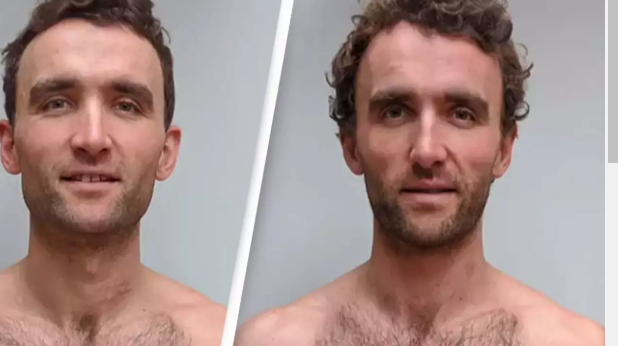
The twins kept their fitness training regime consistent to ensure fairness and eliminate bias. Ross, who is a personal trainer, designed the program, which involved endurance training five to six days a week. Their meals were prepared by the Mindful Chef delivery service, ensuring they consumed a nearly identical number of calories each day. While Hugo committed to a vegan diet, Ross followed an omnivorous diet. Researchers from King’s College, London, monitored their basic health metrics, such as weight, cholesterol levels, and muscle mass, over the course of the experiment.
Primarily composed of vegetables, fruits, legumes, whole grains, nuts, and seeds, this diet is low in saturated fats and full of heart-friendly fats and dietary fiber. Additionally, these plant-based foods provide our body with essential vitamins, minerals, antioxidants, and phytochemicals, all of which collectively strengthen our defense against various diseases.
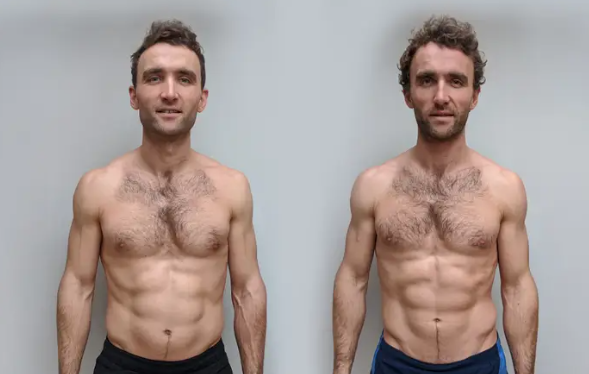
Several studies illustrate that vegan diets are linked to a decreased risk of heart disease. Individuals following a vegan or vegetarian lifestyle generally have lower blood pressure and LDL (bad) cholesterol levels compared to non-vegetarians. Certain research also suggests that well-structured vegan and vegetarian diets can aid in regulating blood sugar levels and potentially decrease body inflammation.
It is important to note that while these plant-based diets contribute to health improvement, the overall healthier lifestyles often associated with vegans and vegetarians, such as increased physical activity and reduced alcohol intake, also significantly reduce health risks.