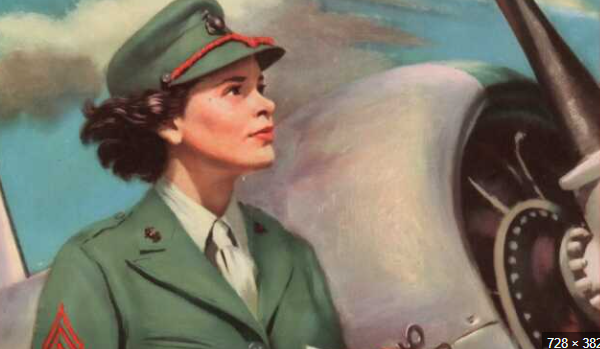
Look at historical images from the 1940s and you’ll notice that most young women, including high schoolers, are wearing lipstick. This is because this once-controversial makeup product was thrust into the spotlight during World War II. Elegant gold cases for these slide-up tubes were an important element of every woman’s makeup routine. Back then, most women used lipstick, powder, and possibly some blush on a daily basis.
But lipstick, in particular, played an essential role during WWII. In the 1930s, many women wore brighter lipstick hues and wiped the tips of their nails free of nail polish to show that they weren’t hiding unclean fingernails. This was the condition of cosmetics at the time, and many people thought it was a technique to hide one’s true appearance. However, throughout the war years, everything altered dramatically.
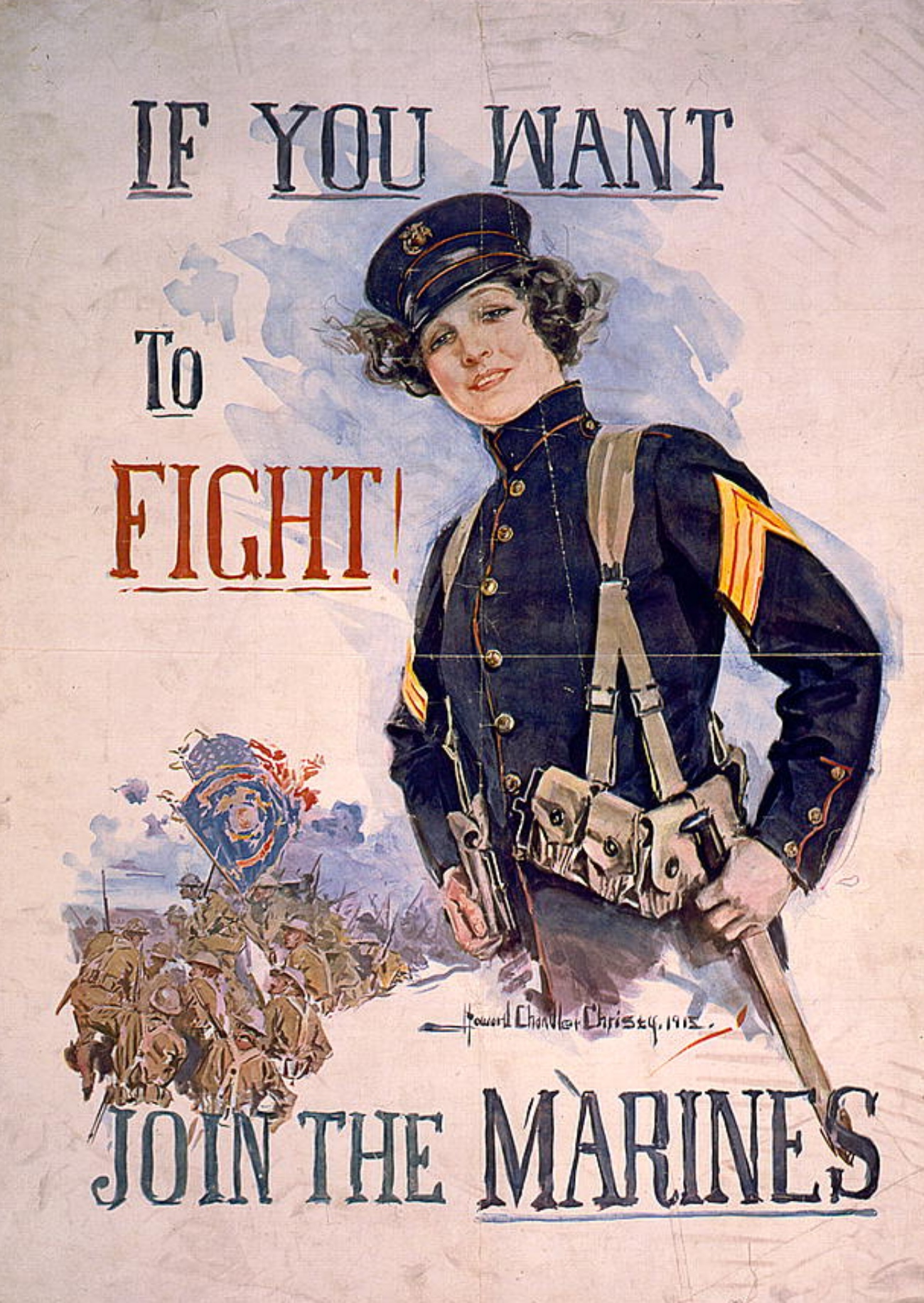
Women were encouraged to contribute to the war effort in a variety of ways, including factory jobs that enlisted men could no longer do, volunteering for victory gardens and other public initiatives, and joining the military forces. Women were first allowed to join the Marine Corps Reserves during World War I, and President Franklin D. Roosevelt encouraged them again in 1942 when he established the Marine Corps Women’s Reserve.
The recruitment tagline was “Free a Marine to Fight,” and the plan was for women to fill clerical roles in place of male troops fighting in Europe, North Africa, and the Pacific Theater. Women would not be able to hold combat positions until 2016.
Unlike in prior eras when makeup was considered risqué, female Marines in the 1940s were allowed to wear lipstick (and nail polish) as long as it matched the red string on their uniform caps. This minor element of the cording was intended to contrast with the green of the headgear and clothing. Montezuma red was an Elizabeth Arden lipstick color created in 1941 for the female Marines.
A later color, triumph red, was also marketed, giving cosmetics a patriotic feel for all ladies. Civilian women, factory workers, and women in the armed forces were all encouraged to wear lipstick to boost morale, root for victory, and lift the spirits of the soldiers around them. Slogans such “Beauty is your duty” were used in wartime advertising efforts to persuade women to wear lipstick, style their hair, and generally maintain high standards despite the war. Similar counsel was provided to women in Britain during the war, albeit lipstick was generally more difficult to obtain outside.
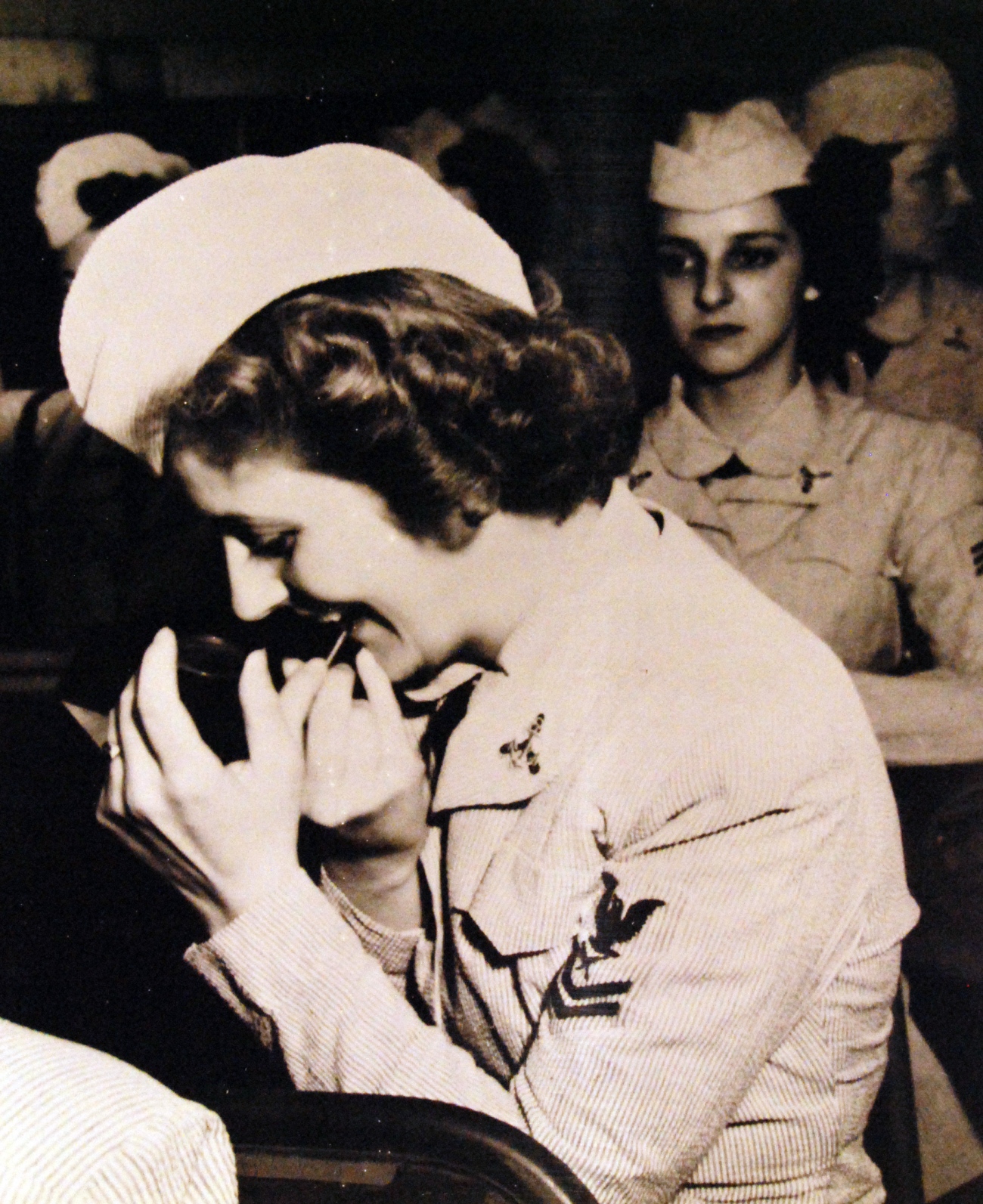
There was also a widely circulated notion that Hitler loathed red lipstick because it was perceived as a symbol of feminine freedom. Thus, wearing crimson lips was regarded as a slap in the face of the dictator, as well as an easy way to keep spirits up during the danger, scarcity, and uncertainty of war.
Lipstick refills were available during the war, and some manufacturers even supplied plastic or paper tubes to save metal for the war effort. Prior to the advent of metal tubes, they were packaged in cardboard tubes, so the transition to less in-demand materials during wartime is not unusual. It was deemed so vital that numerous cosmetics companies modified their containers rather than discontinue production.