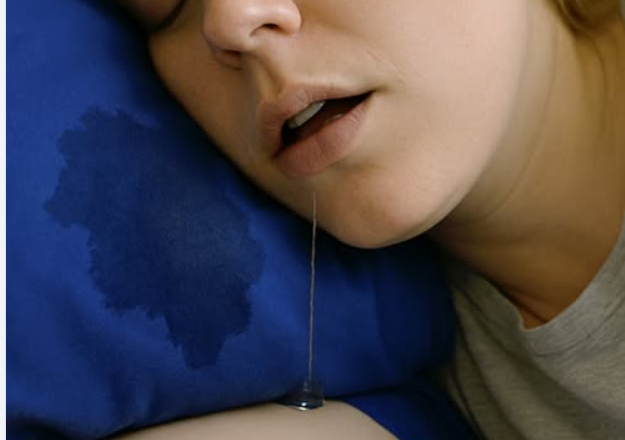
Waking up to a damp pillow from drool isn’t the ideal way to start the day — but you’re not alone. Nighttime drooling, commonly known as sialorrhea, affects many people. Surprisingly, your sleeping position has a significant impact on whether this occurs. Let’s look at how different sleeping postures can affect drooling and what you can do to reduce it. 1. Side sleeping is the most common culprit.
Sleeping on your side is one of the most common sleeping positions, but it is also one of the most likely to result in drooling. Why? When you lie on your side, gravity naturally draws saliva to the corners of your mouth. If your lips open slightly during deep sleep, saliva can escape and saturate your pillow. Tip: Using a firm cushion to slightly elevate your head will help to minimize saliva flow to the mouth’s edge.

2. Stomach sleeping is the worst for drooling. Most people drool when they sleep on their stomachs. Why? Your face is squished against the pillow, and your mouth frequently opens while asleep. With gravity tugging downward, drool has nowhere to go except out. Drawback: Stomach sleeping strains the neck and might exacerbate respiratory or digestive problems.
3. Back sleeping is best for reducing drool. If you want to keep your pillow dry, sleep on your back. Why? When you lie on your back, gravity causes saliva to flow toward the throat rather than the mouth’s border. Your mouth is more likely to remain closed, lowering the possibility of drooling. Bonus: Back sleeping may improve spine alignment and decrease wrinkles caused by pillow pressure.

Bonus: The Relationship Between Sleep Stages and Mouth Breathing Deep sleep can relax face muscles, resulting in a wide mouth, particularly in side or stomach positions. Mouth breathing (due to nasal congestion or habits) increases the likelihood of drooling, independent of sleep position.