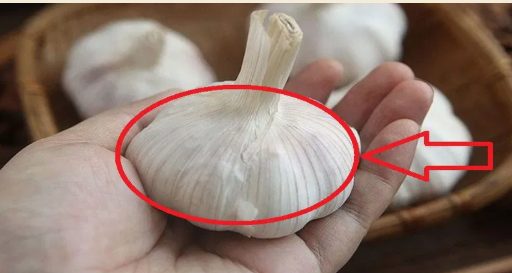
1. Garlic cloves that are widely separated. Garlic bulbs with cloves that are loosely spaced and missing parts of their outer skin may look attractive because they seem plump and are easy to peel. However, they aren’t ideal for long-term storage. The absence of protective skin makes the cloves more vulnerable to mold, sprouting, and oxidation.
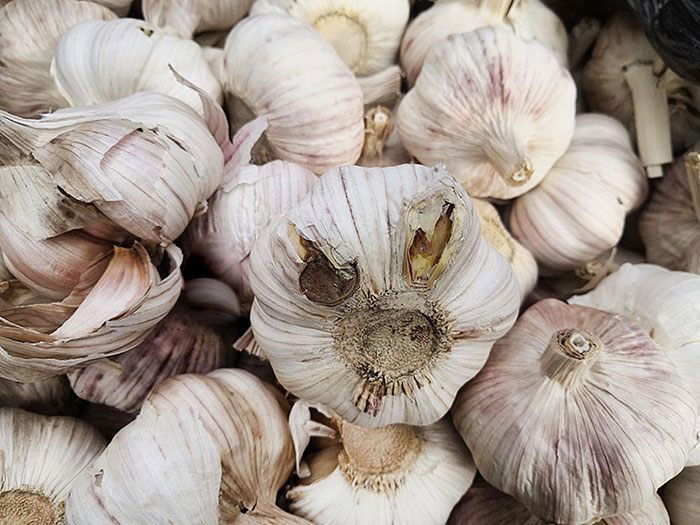
To ensure longer shelf life, opt for bulbs where the cloves are tightly clustered and firmly attached to the stem, with thick, unbroken skin. This protective covering shields the garlic from environmental damage and helps maintain its freshness.
2. Cloves that feel soft or mushy. Gently press the garlic cloves to check their firmness. If they feel soft or spongy, it’s a sign that the garlic is going bad. Even if the entire bulb feels less solid or lightweight, it’s best to avoid purchasing it in large quantities. Soft garlic tends to develop mold faster, shrinks with time, and quickly loses its quality.
3. Wrinkled or soft outer skin. Garlic with a shriveled or soft outer layer may not have been dried properly after harvest. Incomplete drying leaves moisture in the skin, weakening its aroma and increasing the chance of mold during storage.

This issue might also indicate that the garlic was picked before it fully matured. Poor drying or storage can result in soft cloves and compromised quality.
If you already have this type of garlic, let it dry under sunlight for a few more days until fully dehydrated. Afterward, store it in a mesh bag or basket in a well-ventilated space.
4. Extremely white garlic bulbs. Very white garlic with large, uniform cloves might look appealing, but it’s usually imported, often from China. While convenient and easy to peel, this type of garlic typically has a weaker flavor and fewer nutrients than local varieties—especially purple-skinned ones.
These white bulbs are commonly used in commercial kitchens because of their ease of use. However, for richer flavor and better nutritional content at home, choose locally grown garlic, particularly those with purple skins.