
You’ve probably heard of hyperuricemia—it’s a condition where there’s too much uric acid in your blood. But what causes it, and why does it matter for your health? Uric acid forms naturally when your body breaks down DNA and RNA, and also when it digests purines, which are proteins found in foods like red meat, seafood, and organ meats. If you eat a diet high in purines, your body ends up producing more uric acid than usual.
Normally, your kidneys take care of this by filtering out uric acid and removing it through urine. But if your body produces too much or your kidneys can’t excrete it properly, uric acid builds up. This can cause it to crystallize and settle in your joints, leading to sharp pain, swelling, and inflammation—a condition known as gout.
There are several reasons why uric acid levels might get too high. Some people’s bodies simply produce more of it. Others may have kidney issues that reduce their ability to get rid of it. Alcohol and caffeine can contribute, as can a diet heavy in purine-rich foods. Risk increases if you have a family history of gout, use iodine contrast for medical scans, or live with chronic stress. Health conditions like high blood pressure, diabetes, obesity, and high cholesterol can also raise uric acid levels.

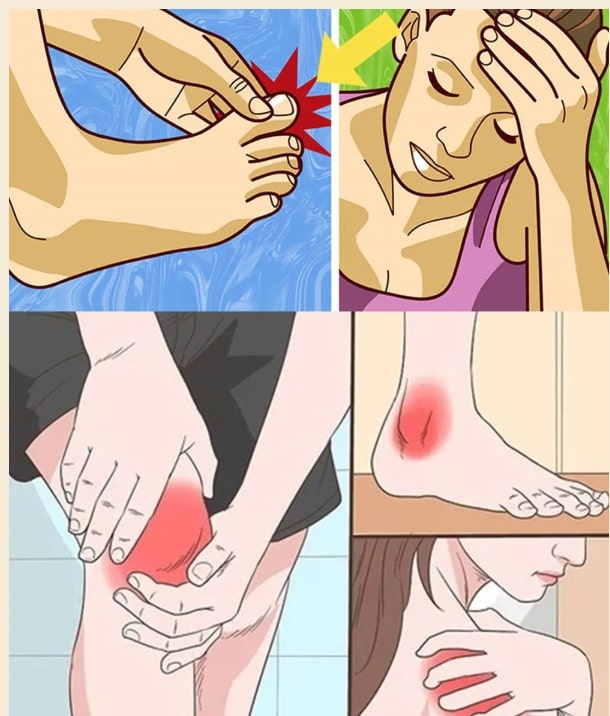
In many cases, high uric acid doesn’t cause symptoms right away. But over time, it can lead to gout, which often starts with sudden pain and swelling in the big toe, ankle, knee, or fingers. The joint may look red, feel hot, and become stiff. In severe cases, joint deformities can develop. High uric acid can also lead to kidney stones, which may cause back pain and trouble urinating.
Treatment focuses on lowering uric acid levels and preventing painful flare-ups. Doctors usually start with dietary changes—cutting back on purine-rich foods and drinking more low-mineral water. Medications may be prescribed to reduce inflammation and block uric acid production. For people with recurring symptoms, long-term preventive medications like xanthine oxidase inhibitors may be used.
A healthy diet can make a big difference. Good food choices include artichokes, onions, celery, pumpkin, carrots, strawberries, citrus fruits, and eggs. Drinking plenty of low-mineral water is also important. On the other hand, you should avoid red meat, shellfish, anchovies, spinach, mushrooms, cauliflower, asparagus, alcohol, and sugary soft drinks.
To help prevent high uric acid, stay hydrated—aim for at least two liters of water per day. Limit your intake of red meat and seafood. Try drinking herbal teas like chamomile or horsetail once or twice a week. If you have risk factors, get regular checkups, and always consult your doctor if you notice any unusual joint pain or discomfort.
Managing uric acid doesn’t have to be complicated—with a few lifestyle changes and the right medical support, you can take control of your health and avoid painful complications.