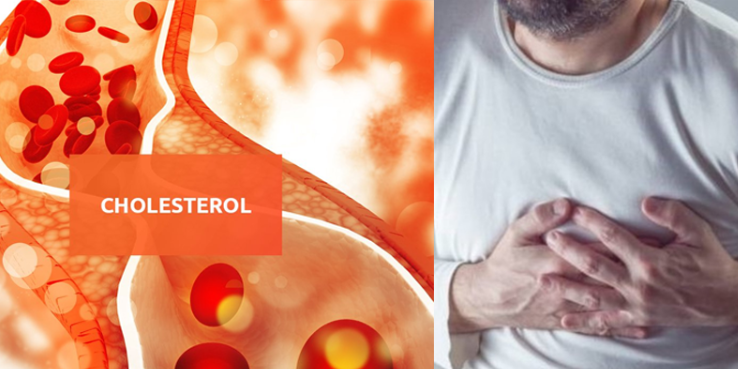
Cholesterol is a form of fat found in your blood that is naturally created by your body. Food also contains cholesterol. The body requires some cholesterol to function properly, but too much cholesterol can damage the arteries, thus we must manage cholesterol. Excess cholesterol raises the risk of heart disease. Cholesterol is utilized to form cell walls, which are then used to produce hormones. Cholesterol enters the bloodstream via lipoprotein.
The two primary forms of lipoproteins are HDL and LDL. – High density lipoprotein (HDL) cholesterol is the ‘good’ cholesterol. HDL cholesterol is ‘healthy’ because it removes ‘bad’ cholesterol from the blood vessels. – LDL cholesterol is the ‘bad’ cholesterol. LDL cholesterol is ‘bad’ because if you have too much, it sticks to the walls of your arteries.
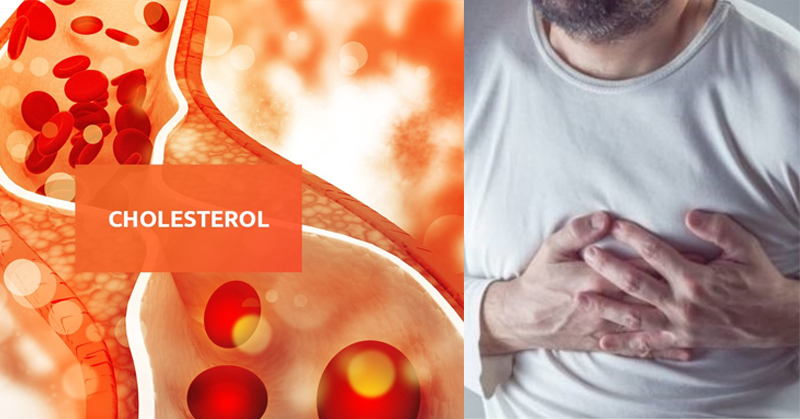
In such cases, lowering the level of LDL cholesterol is essential for maintaining heart health. You will need to make some significant modifications to your lifestyle, diet, and drink. Today, we’ll discuss some nutrients that can help you reduce your cholesterol. Reduce the risk of heart disease.
1) Fiber Fiber is a key food for cholesterol management. It is recommended to consume 20-35 grams of fiber daily. Fiber is crucial for both digestive and cardiovascular health. Fiber may also help lower the risk of heart disease. Fiber-rich foods include oatmeal, oat bran, whole grains, fruits, and vegetables.
2. Low-calorie foods to manage cholesterol Obesity leads to heart disease and high cholesterol levels. Weight management is important for managing cholesterol levels. You can achieve this by eating foods low in calories. Low-calorie vegetables also contain soluble fiber. Oatmeal, soup, chia seeds, and Greek yogurt are all low-calorie options.
3. Foods fortified with sterols and stanol. Sterols and stanols derived from plants improve the body’s ability to absorb cholesterol from meals. LDL cholesterol levels can be managed by ingesting 2 grams of plant sterol or stanol per day.

4. Protein helps reduce cholesterol.. Protein is beneficial for heart health. Protein-rich tofu and soy milk are potent cholesterol-lowering agents. Daily use of 25 grams of soy protein can help decrease LDL.
5. Omega-3 fatty acids. Omega-3 fatty acids are proven to reduce harmful cholesterol levels. Omega 3 decreases triglycerides in the bloodstream, prevents irregular heart rhythms, and promotes heart health. Eating fish twice or three times per week can help lower bad cholesterol.
6) Magnesium. Magnesium is beneficial for heart health. Avocados, almonds, figs, spinach, and popcorn are all high in magnesium. Eating it can help control your cholesterol levels. To lower elevated cholesterol levels, include magnesium in your diet.
High cholesterol levels can cause fatal conditions including heart attacks and heart failure. To lower your cholesterol, include all of these nutrients in your diet. High-cholesterol foods should be avoided. It will always maintain your heart healthy, and you will remain healthy.