
The Connection Between Diet and Healthy Aging. Many individuals want to age gracefully, but a recent study indicated that fewer than 10% of people reach the age of 70 or older disease-free and in good physical, cognitive, and mental health. The data show that eating a balanced diet during midlife increases the likelihood of aging well. Key Foods for Healthy Aging.
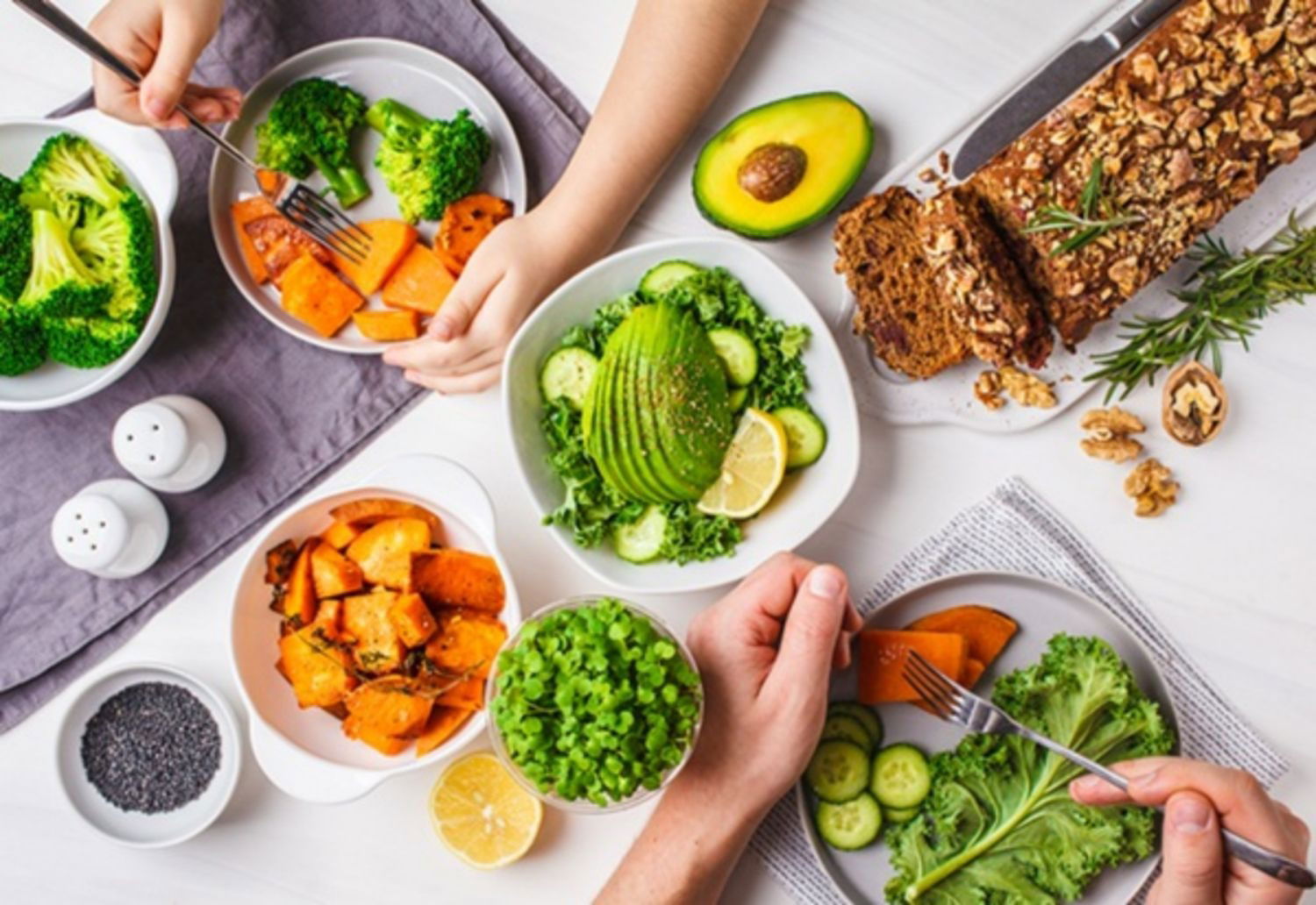
The study found that eating more fruits and vegetables, whole grains, unsaturated fats, nuts, legumes, and low-fat dairy boosts the likelihood of healthy aging. Diets heavy in trans fats, sodium, red meat, and processed meats, on the other hand, have been related to a decreased likelihood of aging well. Healthy Aging is More Than Just Avoiding Disease.
While many studies emphasize the importance of a balanced diet in preventing chronic illnesses, this study takes a broader view of healthy aging. Beyond being disease-free, good aging entails preserving independence and a high quality of life as we get older. Dietary Patterns and Their Impact. The study examined various food patterns to determine their impact on healthy aging.
The Alternative Healthy Eating Index, which is consistent with the Dietary Guidelines for Americans, revealed the strongest link—people who adhered most closely to this diet were 84% more likely to age healthily than those who followed it the least. A fascinating discovery was the strong link between healthy aging and diets that prioritize sustainability.

The planetary diet, which encourages the consumption of plant-based proteins, whole grains, fruits, vegetables, and healthy fats derived from sustainable sources, is one of the best diets for long-term health. This shows that eating foods that are good for your health can help the environment. Final Thoughts. Even after controlling for variables such as physical activity and lifestyle habits, the study discovered a constant association between nutrition and good aging.
Each eating pattern studied was linked to increases in overall health, physical function, cognitive aptitude, and mental well-being. While this study focused on eating patterns in midlife, future research could look into the benefits of switching to a better diet later in life.
Conclusion. Maintaining a healthy diet in your 40s is about more than just preventing sickness; it’s about ensuring a future of independence and high-quality living. Incorporating more fruits, vegetables, whole grains, and unsaturated fats into your diet is an important strategy for aging well.