
Thyroid Medication. If you’re treating hypothyroidism with hormone therapy, avoid taking your medicine alongside coffee. Doing so can significantly lower how much of the drug your body absorbs—by more than 50%, according to studies—making it far less effective.
Cold and Allergy Medications. Some allergy medications, like fexofenadine, contain stimulants. Since coffee is also a stimulant, combining the two can overstimulate your nervous system. This may lead to increased restlessness and trouble sleeping. Always consult your doctor before mixing caffeine with cold or allergy meds.
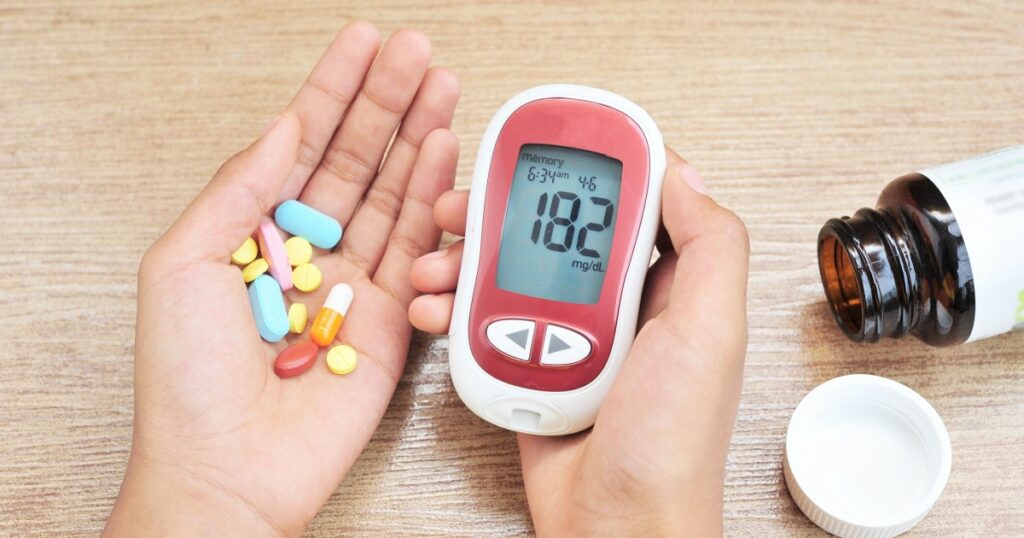
Diabetes Medications. Sweetened or milky coffee can spike your blood sugar, potentially interfering with how diabetes medication works. Caffeine may also elevate insulin and blood sugar levels, which could worsen symptoms. More research is needed, but it’s wise to monitor your caffeine intake if you have diabetes.
Alzheimer’s Medications
Caffeine may reduce the effectiveness of drugs like donepezil, rivastigmine, and galantamine. It tightens the blood-brain barrier, limiting how much of the medication reaches the brain. High coffee consumption might also block acetylcholine, weakening the drug’s protective effects.
Asthma Medications
Caffeinated drinks can heighten side effects from bronchodilators, such as headaches, restlessness, or stomach discomfort. Coffee may also interfere with how well your body absorbs these medications.
Osteoporosis Drugs
Medications like risedronate and ibandronate can lose over half their effectiveness when taken with coffee. It’s best to take these on an empty stomach with plain water and wait before eating or drinking anything else. Ask your doctor for guidance on timing.
Antidepressants and Antipsychotics
Coffee can decrease absorption of antidepressants like fluvoxamine, amitriptyline, escitalopram, and imipramine, and intensify caffeine-related side effects like insomnia and heart palpitations. It may also interfere with how antipsychotics such as clozapine, haloperidol, and olanzapine are processed by the body. These medications should ideally be taken with water, not caffeine.

Blood Pressure Medications
These drugs are designed to lower heart rate and ease the heart’s workload. Since caffeine can increase heart rate and reduce medication absorption, drinking coffee when taking medications like felodipine may render them less effective.
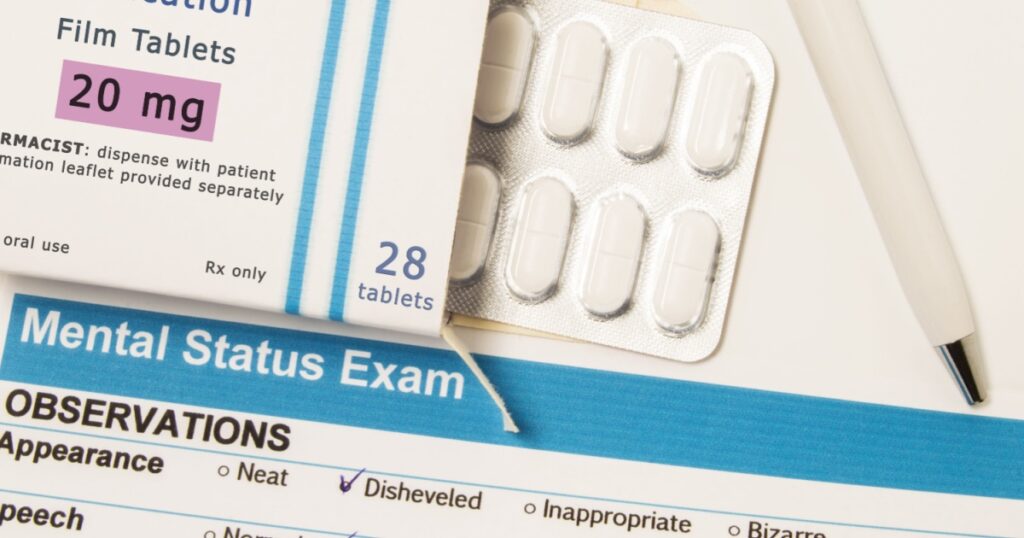
Melatonin
Melatonin promotes sleep, but caffeine can suppress its natural production. Taking melatonin while consuming coffee or other caffeinated drinks (like energy drinks or soda) may cancel out its benefits. It’s best to avoid caffeine when using melatonin for sleep.