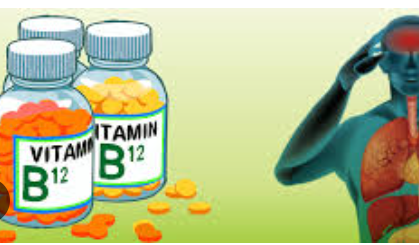
A deficiency of vitamin B12 can have a variety of symptoms, some of which may be minor at first but can become significant over time if not treated. Below, we look at nine common impacts of vitamin B12 insufficiency and why it’s critical to recognize the symptoms early.
1. Fatigue and Weakness.
One of the early and most common symptoms of a B12 deficiency is feeling perpetually depressed or weakened. This happens because your body is unable to produce enough healthy red blood cells without adequate B12.

2. Pale or jaundiced skin
If your skin appears especially pale or has a subtle yellow tint, it could be the result of a shortage of vitamin B12. This disorder occurs when red blood cells break down more easily (a process known as hemolysis), producing bilirubin and giving the skin a yellow tint.
3. Shortness of breath and dizziness.
When your red blood cell count dips, your body struggles to provide enough oxygen to your tissues, causing shortness of breath, particularly during strenuous exertion. You may also have dizziness or lightheadedness, especially when rising up fast.
4. Tingling or numbness in hands and feet.
Vitamin B12 is essential for maintaining healthy nerves. A shortage can damage the protective layer (myelin) around your nerves, causing neurological symptoms such as tingling, numbness, or a “pins and needles” sensation—most typically in the hands and feet.
5. Balance and coordination issues
As nerve degeneration worsens, it can impair motor control. You may notice unsteadiness while walking, frequent stumbling, or difficulties with coordination. This impact is especially problematic in older persons, as it increases the likelihood of falls and accompanying injuries.
6. Memory loss or cognitive decline.
Low vitamin B12 levels have been linked to memory issues, confusion, and even dementia-like symptoms in severe cases. The vitamin is essential for brain function, and a lack of it over time can impair focus, reasoning, and overall mental clarity.

7. Mood changes, including depression and irritability. Vitamin B12 affects the creation of brain neurotransmitters such as serotonin and dopamine, which are essential for mood regulation. A deficit might result in sadness, anxiety, irritability, or mood changes. Several studies suggest that B12 supplementation can improve mood in people with low levels.
8. Glossitis and mouth ulcers.
B12 deficiency can induce glossitis, which is characterized by a swollen, red, and painful tongue. It can also cause tongue ulcers, a burning sensation in the mouth, and a decreased sense of taste. These affects can make eating and speaking difficult and may be misdiagnosed at first.

9. Blurry or Disturbed Vision
In rare situations, vitamin B12 deficiency might impair your vision. Damage to the optic nerve (optic neuropathy) can cause blurred or double vision, light sensitivity, and visual abnormalities. Although unusual, this impact indicates that your insufficiency is growing severe.