10. Healthy fats. Incorporating healthy fats into your diet is critical for regulating blood sugar and decreasing inflammation.. Wild salmon, sardines, walnuts, flaxseeds, and olive oil are high in Omega-3s, alpha-linolenic acid, and monounsaturated fats, all of which promote improved insulin response. Mediterranean diets high in these fats have been found to reduce the risk of type 2 diabetes and heart disease by up to 50%. The true hazard is not saturated fats, but rather excessive sugar consumption, refined carbohydrates, and processed oils such as soybean, corn, and canola oil.

9. Leafy Greens. Dark green veggies, such as spinach and kale, as well as cruciferous vegetables like cabbage and cauliflower, are high in magnesium and antioxidants. These nutrients assist to minimize oxidative stress and inflammation, which are two important contributors to diabetes complications such as heart disease.
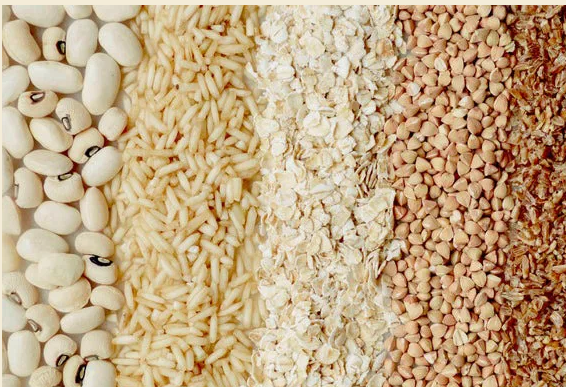
8. Whole Grains. While processed grains should be avoided, whole grains such as brown rice and whole-wheat bread are excellent alternatives. They are high in fiber, which increases insulin sensitivity and decreases sugar absorption. Consuming whole grains on a regular basis also helps to reduce body weight and BMI, both of which are important factors in diabetes risk management.
7. Coffee & Green Tea. Green tea includes EGCG, a potent chemical that increases insulin sensitivity and lowers blood glucose levels. Coffee, both normal and decaf, has also been associated to a lower incidence of type 2 diabetes, probably due to its chlorogenic acid and quinide levels. Both beverages may help with weight management, which improves blood sugar regulation.
6. Dark chocolate. Dark chocolate, which has more cacao but less sugar than milk chocolate, is high in flavonoids. These antioxidants reduce inflammation, prevent insulin resistance, and aid in glucose metabolism. Dark chocolate contains magnesium, which has soothing properties and helps regulate blood sugar levels.
5. Berries & Cherries. Despite their richness, fruits such as blueberries, strawberries, and cherries can help manage blood sugar. Their anthocyanins boost insulin synthesis and lower inflammation. In fact, cherries may increase insulin output by up to 50%, whilst berries help reduce blood sugar rises after meals.
4) Beans/ Pinto, kidney, and green beans have a low glycemic index and contain a lot of fiber and protein. They digest slowly, minimizing blood sugar surges and keeping you satisfied for longer. Adding beans to rice or salads can enhance blood sugar control and lessen the desire to overeat.

3. Citrus fruits. Citrus fruits, including oranges, grapefruits, and lemons, are high in fiber and flavonoids including hesperidin and naringin. These chemicals promote glucose absorption and improve the immunological system. Their blood sugar-lowering and protecting properties make them an excellent choice for diabetics.
2. Nuts and seeds. Almonds, walnuts, chia seeds, and fennel seeds are rich in fiber, good fats, and magnesium. Chia seeds, in particular, can help decrease blood pressure and increase insulin sensitivity. These nutrient-dense snacks help regulate blood sugar levels and are simple to integrate into meals.

1) Avocados. Avocados are a diabetes-friendly superfood. They contain heart-healthy monounsaturated fats and a lot of fiber, both of which slow down carbohydrate breakdown and keep blood sugar stable. Avocados contain a unique chemical called avocatin, which has been shown to lower insulin resistance, making them a crucial part of a diabetes-friendly diet.