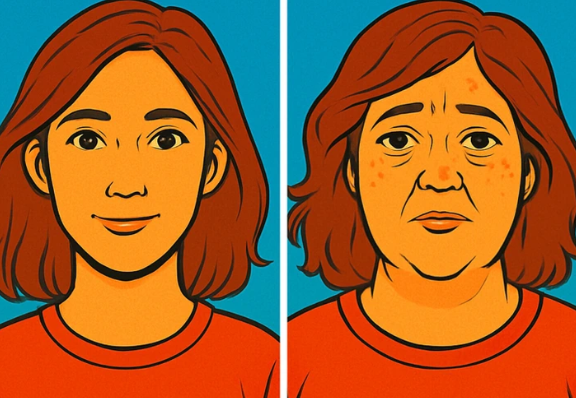
Have you ever looked in the mirror and noticed that your face looks puffier, fatigued, or dull? You are not alone. You’re not only stressed, but it shows. Many people are discussing the renowned “cortisol face” on social media, a viral fad that has elevated the stress hormone to the forefront of the discourse. But what’s the truth behind this? Here’s what the experts say and what your skin could be reflecting.
The content is provided solely for informational purposes and is not intended to be a substitute for medical advice. Please consult your doctor about your medical condition. When your face expresses your stress level. When we live under chronic stress, our skin begins to exhibit various symptoms. For example, our bodies begin to release hormones that can affect the health of our skin, causing increased sensitivity, breakouts, and a loss of brightness.4

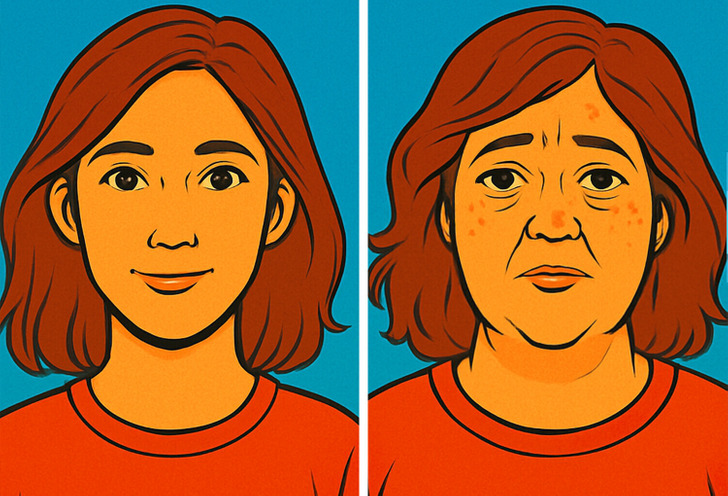
Furthermore, stress can sometimes develop to negative behaviors, such as clenching the jaw or biting the lips, which create a lasting impression. Another increasingly common symptom is facial edema caused by stress. The trend indicates that cortisol increases are directly responsible for facial swelling and bloating, resulting in a round, puffy appearance. This has been dubbed “cortisol face”.
Cortisol is your ally… until it gets out of hand. Cortisol is referred to as the stress hormone. Although it seems unpleasant, it is actually very important: it controls your metabolism, helps you cope with illness, surgery, or any event that requires a “extra” from your body. It functions similarly to an internal clock, rising in the morning to wake you up and falling at night to allow you to relax.
However, if that natural pattern is disrupted by persistent stress, insomnia, or unhealthy habits, your body will respond with exhaustion, skin changes, anxiety, digestive difficulties, and other symptoms. Why does cortisol rise. Cortisol levels can rise for a variety of causes, including daily stress, infection, time of day, and pregnancy! The strange thing is, you don’t always notice the signs.
However, if cortisol levels remain high for an extended period of time, it may indicate a more serious illness, such as Cushing’s syndrome, a rare condition caused in some cases by a pituitary tumor. Signs include weight gain, muscular mass loss, a rounded face (cortisol face), and a tiny hump on the neck. Exogenous Cushing’s syndrome occurs when steroids (such as pills, inhalers, or lotions) are used to treat conditions such as asthma or lupus for an extended period of time. This is the most typical cause.
Finally, melancholy, bad habits, and starvation can all elevate cortisol levels. In some circumstances, fixing the underlying reason allows levels to return to normal. This is referred to as pseudo-Cushing. The so-called “cortisol face” This TikTok viral fad claims that high amounts of cortisol, a stress hormone, can promote facial swelling, resulting in a rounder or puffier face. Although many of these claims lack medical support and the “cortisol face” is more myth than fact, thousands of videos have filled the internet with advice on how to “combat” it.
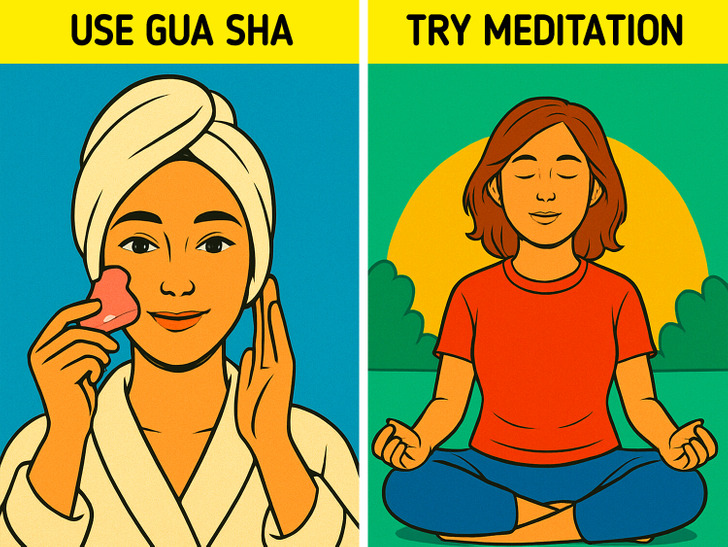
Instead of disregarding these fads, some specialists choose to stay on top of what the algorithm is displaying and report with facts and clarity. “When a trend like ‘Cortisol Face’ emerges, I want to ensure that my patients receive accurate information rather than falling victim to fear-based advertising or costly, needless procedures. It is my responsibility to clarify what is true, what is exaggerated, and what individuals can do to care for their skin and overall health,” says one of them. Tips for reducing the “cortisol face”.